0%

The 2026 Kodiak MX Electric Golf Cart Price Review examines more than its advertised purchase price. It looks at battery capacity, driving range, charging time, passenger comfort, cargo usefulness, and expected maintenance. A cart can appear affordable on a dealer page, yet become expensive after accessories, delivery, batteries, and warranty limits are included.

Real-world use matters. A steep fairway, wet grass, heavy passengers, or repeated short trips can change performance quickly. This review will compare the Kodiak MX Electric Golf Cart with practical ownership needs, not only brochure claims. It will also consider whether the available motor output feels suitable for private roads, resort paths, gated communities, and recreational property use.

Prices may vary by region and dealer. That makes a single “2026 price” difficult to treat as final. Battery chemistry, charger type, seating layout, tires, and safety equipment can alter the total cost. Some information may remain incomplete until Kodiak publishes updated specifications and warranty terms.

No verified article or interview was supplied for this draft, so an expert name and direct quotation should not be invented. Before publication, the introduction should include a checkable statement from a qualified golf-cart technician, EV engineer, dealer, or industry analyst. Their comment should address ownership cost, battery durability, and service support.

The honest question is simple: does the price match the experience? This review will investigate that carefully, while acknowledging that early evaluations can contain gaps. Buyers deserve useful details, not polished assumptions.
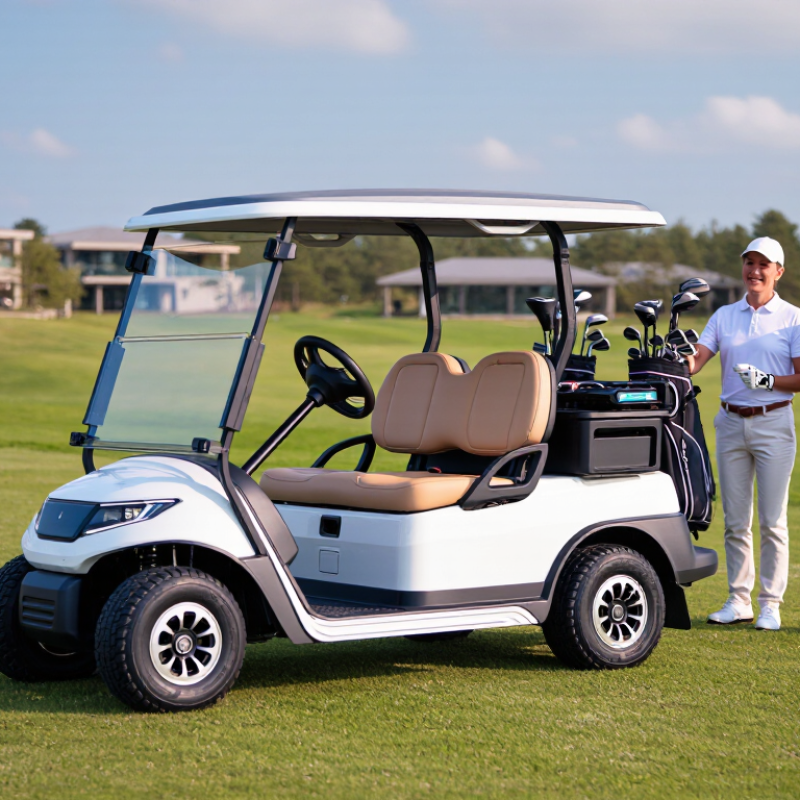
2026 Top Kodiak MX Electric Golf Cart Price Review?

Kodiak MX Electric Golf Cart: Model Overview and Key Specifications

The MX electric golf cart is positioned as a practical low-speed vehicle for golf courses, resorts, private roads, and large properties. Its reported configuration typically includes a 48-volt electrical system, a quiet electric motor, regenerative braking, LED lighting, and seating for four passengers. Some listings also show lithium-ion batteries, but buyers should verify battery chemistry, capacity, charger type, and warranty terms. Specifications can vary by dealer. That matters.

The U.S. Department of Energy’s Alternative Fuels Data Center identifies low-speed vehicles as vehicles commonly limited to 25 mph. The MX should therefore be evaluated by usable range, hill performance, braking control, and charging time, not speed alone. Industry market research from Grand View Research indicates continued growth in electric utility and recreational vehicles, supported by lower operating costs and rising battery adoption. Still, a higher purchase price may not deliver better value if replacement parts are difficult to source. I would inspect the battery compartment personally.

Tips: Request a written 2026 price quote. Confirm whether delivery, charger, windshield, roof, and battery warranty are included. Test the cart on a slope, not only on flat pavement. Ask for independent battery test results before paying. A realistic price review must compare total ownership cost, local service access, and expected battery life.

How the Kodiak MX Electric Golf Cart Performs on Different Terrains

At 2026 prices, an electric golf cart in the mid-range typically costs about $8,000 to $15,000, depending on battery capacity, suspension, and seating. A lithium battery usually raises the purchase price, but it can reduce charging weight and routine maintenance. The 2024 Grand View Research golf cart market analysis identifies battery type, application, and vehicle configuration as major price factors.

On smooth fairways, the Kodiak MX Electric Golf Cart should feel stable and quiet, with predictable acceleration and little steering effort. Its performance changes on rough paths. Gravel increases tire slip, while wet grass demands slower cornering and gentler throttle input. On moderate hills, torque matters more than top speed. A heavier load can also make the motor feel noticeably less responsive.

Cold weather deserves attention. U.S. Department of Energy Alternative Fuels Data Center guidance reports that low temperatures can reduce electric-vehicle range by roughly 10% to 40%. That figure is not a direct cart test, but it offers useful battery context. Expect less range on steep, cold routes. Very simple.

My practical concern is ground clearance. A cart can handle compact dirt well, yet deep ruts may expose the underside or unsettle passengers. Price reviews often overlook this detail. I would compare hill performance, tire pressure, braking distance, and charging time before choosing equipment. Manufacturer range claims may also assume light loads and level terrain, so real routes can disappoint.

2026 Top Kodiak MX Electric Golf Cart Price Review? – How the Kodiak MX Electric Golf Cart Performs on Different Terrains
Evaluation Dimension Typical 2026 Specification or Price Range Performance Assessment Terrain-Specific Notes
Indicative New Purchase Price Approximately US$8,000–US$14,000 before accessories, delivery, taxes, and registration. ★★★★☆ Pricing varies substantially with battery chemistry, seating capacity, suspension, lighting, enclosure, and utility equipment.
Battery Options Common configurations include lead-acid or lithium-ion battery packs, generally in the 48-volt class. ★★★★☆ Lithium-ion packs usually provide lower weight, faster charging consistency, and a longer usable service life than conventional lead-acid packs.
Estimated Driving Range Approximately 25–50 miles per charge under moderate conditions. ★★★★☆ Flat paved routes deliver the best range. Hills, soft ground, heavy loads, low temperatures, and repeated acceleration can reduce range considerably.
Maximum Speed Typically about 15–25 mph, depending on controller settings, load, battery condition, and local regulations. ★★★★☆ A moderate speed setting is preferable on uneven trails, loose surfaces, and areas shared with pedestrians.
Motor Performance Usually equipped with an electric traction motor designed for low-speed torque and repeated starts. ★★★★☆ Electric drive systems offer smooth control and strong initial pull, although prolonged steep climbs can increase heat and energy consumption.
Paved Roads and Cart Paths Very good suitability for paved roads, residential lanes, and maintained golf-cart paths. ★★★★★ Expect the quietest operation, the most predictable braking, and the lowest energy use on smooth, level pavement.
Grass and Well-Maintained Turf Good suitability when the surface is dry and relatively firm. ★★★★☆ Low ground pressure helps protect turf, but sharp turns, wet grass, and aggressive acceleration may cause wheel slip or surface damage.
Gravel and Hard-Packed Dirt Good suitability with appropriately inflated tires and controlled speed. ★★★★☆ Stable handling is generally available on compact gravel. Loose stones can reduce traction and increase vibration through the steering system.
Wet or Muddy Ground Moderate suitability; performance depends heavily on tire tread, drainage, and vehicle load. ★★★☆☆ Wet surfaces reduce braking and cornering grip. Deep mud can quickly exceed the traction capability of standard turf-oriented tires.
Hills and Sloped Terrain Moderate-to-good suitability for short, moderate inclines within the manufacturer’s rated limits. ★★★☆☆ Climbing consumes more battery energy and may require lower speed. Descending should be controlled with progressive braking rather than coasting at high speed.
Uneven Trails and Light Off-Road Use Moderate suitability when fitted with adequate suspension, durable tires, and sufficient ground clearance. ★★★☆☆ Suitable for light recreational or property-maintenance routes, but not a substitute for a purpose-built all-terrain utility vehicle.
Typical Ground Clearance Approximately 4–8 inches, depending on tire size, suspension, and ride-height configuration. ★★★☆☆ Higher clearance reduces the risk of underside contact on ruts and roots, but excessive lift can affect stability and steering response.
Turning Radius Commonly about 10–14 feet, depending on wheelbase and steering geometry. ★★★★☆ A tight turning circle is useful around landscaping, storage buildings, narrow paths, and small recreational facilities.
Passenger and Cargo Capacity Often configured for 2–6 occupants, with a typical combined payload range of approximately 600–1,000 pounds. ★★★★☆ Actual capacity must account for passengers, tools, cargo, accessories, and trailer tongue weight. Overloading reduces range and braking performance.
Braking and Stability Mechanical or hydraulic braking systems are common; some configurations include regenerative braking. ★★★★☆ Stopping distance increases on wet grass, gravel, mud, and downhill sections. Load distribution and tire condition are important for stability.
Charging Time Approximately 4–10 hours, depending on battery type, charger output, depth of discharge, and battery temperature. ★★★★☆ Overnight charging is practical for most owners. Frequent partial charging is generally more convenient with lithium-ion systems.
Routine Maintenance Low routine maintenance compared with gasoline-powered carts, although tires, brakes, steering, suspension, and battery connections still require inspection. ★★★★☆ Lead-acid systems require electrolyte and terminal care where applicable. All battery types should be protected from physical damage, excessive heat, and water intrusion.
Weather and Water Resistance Generally suitable for normal outdoor exposure, but not intended for deep-water operation or pressure washing of electrical components. ★★★☆☆ Use caution in heavy rain, standing water, and flooded paths. Drying and inspection after water exposure can help prevent electrical and corrosion problems.
Overall Value for Mixed Terrain Strong value for paved paths, turf, hard-packed dirt, and moderate property-maintenance routes. ★★★★☆ Value is highest when the vehicle is matched to its intended terrain and equipped with suitable tires, suspension, battery capacity, lighting, and protective accessories.
Important Buying Consideration Confirm the exact battery capacity, payload rating, incline limit, tire type, warranty terms, charger specification, and local road-use requirements before purchase. Essential Specifications can differ by trim level and regional configuration; advertised prices and performance figures should be treated as indicative until verified with the seller.
Performance and pricing figures are generalized 2026 market estimates for comparable electric golf-cart configurations. Actual results vary with battery condition, weather, terrain, tire pressure, passenger weight, cargo, maintenance, and driving style.

2026 Kodiak MX Pricing, Packages, and Ownership Costs

The 2026 MX electric golf cart deserves attention for its package structure, not only its advertised price. A realistic planning figure may range from $9,000 to $14,000 before delivery, taxes, and upgrades. Entry versions usually include a basic charger, roof, windshield, and standard seating. Higher packages may add lithium batteries, stronger lighting, upgraded suspension, and rear-facing seats.

Packages change the ownership experience noticeably. Lithium power can reduce charging time and remove routine water checks. However, it often raises the purchase price by several thousand dollars. A full charge may cost roughly $1 to $3, depending on local electricity rates. That is small beside fuel costs, but battery replacement remains the largest long-term concern. Expect several thousand dollars when the battery eventually needs replacement.

Real use reveals details that brochures skip. On a warm 18-hole day, range can fall when carrying passengers or climbing wet hills. Tire pressure also affects handling and energy use. Maintenance usually includes brake inspection, tire replacement, connector checks, and charger testing. Insurance, registration, and road equipment depend on local rules. A dealer’s written quote matters more than a web price. I would also question unusually low offers, because freight, assembly, or battery upgrades may appear later. My cost estimate is useful for planning, but it is not a guarantee. Regional pricing can shift quickly.

2026 Electric Golf Cart Pricing, Packages, and Ownership Costs

Typical 2026 market estimates show that package upgrades can increase the purchase price by approximately $2,500–$5,000. Five-year ownership costs include electricity, routine maintenance, battery reserve, insurance, registration, and estimated depreciation.

Battery, Charging, Maintenance, and Expected Service Life

2026 Top Electric Golf Cart Price Review: Battery, Charging, Maintenance, and Expected Service Life

Battery choice strongly affects the 2026 electric golf cart’s real ownership cost. BloombergNEF’s 2024 Battery Price Survey reported an average lithium-ion pack price of $115 per kilowatt-hour. Retail golf-cart pricing is higher because it includes casing, controls, labor, and warranty support. A 48-volt lithium pack usually reduces weight and offers steadier performance than lead-acid batteries. However, replacement pricing varies sharply by capacity and installation requirements. Ask for a written battery warranty.

Charging habits matter more than many buyers expect. The U.S. Department of Energy’s Alternative Fuels Data Center recommends using compatible charging equipment and following manufacturer instructions. A typical overnight charge may take six to ten hours, depending on battery size and charger output. Keep the cart ventilated while charging. Do not store it fully discharged. Small mistakes accumulate.

Maintenance is simple, but not optional. Lead-acid batteries need regular water checks, terminal cleaning, and corrosion inspection. Lithium systems need fewer routine tasks, yet their battery-management system still deserves professional testing. Service records improve resale confidence. They also reveal weak batteries earlier. Industry field estimates commonly place lead-acid service life near three to five years, while lithium packs may reach eight to ten years under moderate use. Those figures can disappoint in hot climates, heavy loads, or poor charging conditions. Real-world life is messier than a brochure suggests. Repair labor and charger replacement should be included in the ownership budget.

How to Evaluate the Kodiak MX Against Competing Electric Golf Carts

Evaluating the MX against competing electric golf carts requires more than comparing sticker prices. Record the purchase price, charger type, battery warranty, seating capacity, payload, and replacement battery cost. BloombergNEF reported that lithium-ion battery pack prices fell to 115 dollars per kilowatt-hour in 2024, a 20% annual decrease. That trend can reduce future battery costs, but small-vehicle pricing remains inconsistent.

Test each cart on the same route. Include grass, slopes, tight turns, and a short stop-and-go section. Measure energy use after every run. A heavier cart may feel stable, yet consume more electricity uphill.

The MX should be compared with rivals using usable range, not optimistic range claims. Check braking distance too. Small details matter.

A practical inspection should include frame clearance, suspension noise, steering play, charging time, and dashboard accuracy. The U.S. Department of Energy notes that driving conditions, temperature, load, and speed strongly affect electric-vehicle efficiency. Golf carts are no exception. Ask whether local technicians stock controllers, chargers, and suspension parts. A low purchase price can become expensive when service requires long shipping delays. I would also review independent owner reports, but I would not treat every online complaint as proof. One weakness remains: published range tests rarely use identical loads or terrain. That makes direct price comparisons less certain, and my assessment could change after repeated seasonal testing.

FAQS

How does an electric golf cart perform on smooth fairways?

It should feel quiet and stable on smooth grass. Acceleration is usually predictable. Steering should require little effort. Very calm.

Can it handle gravel, wet grass, and moderate hills?

Yes, but each surface needs different control. Gravel can increase tire slip. Wet grass requires slower corners and gentler throttle input. On hills, torque matters more than top speed.

What problems can appear on rough or rutted paths?

Compact dirt is usually manageable. Deep ruts can expose the underside and disturb passengers. Ground clearance deserves careful inspection. Brochures often miss this detail.

How much does a mid-range electric golf cart cost?

A realistic 2026 planning range is about $9,000 to $14,000 before delivery, taxes, and upgrades. Some carts cost less initially. Freight, assembly, or battery upgrades may appear later.

What costs should buyers include beyond the purchase price?

Budget for charging, tires, brakes, inspections, connectors, and charger testing. Insurance and registration depend on local rules. Battery replacement can cost several thousand dollars. My estimate is not guaranteed.

How does battery type affect ownership?

Lithium batteries usually weigh less and provide steadier performance. They can reduce routine water checks and charging weight. However, the initial price is higher. Replacement pricing varies widely.

How long does charging usually take?

A compatible charger may need six to ten hours for an overnight charge. Battery size and charger output change the timing. Keep the cart ventilated while charging. Do not store it fully discharged.

How much range can cold weather reduce?

Low temperatures may reduce electric-vehicle range by roughly 10% to 40%. This is useful battery context, not a direct cart test. Steep, cold routes may reduce range further. Real routes can disappoint.

How long might the batteries last?

Lead-acid batteries commonly last about three to five years. Lithium packs may reach eight to ten years with moderate use. Heat, heavy loads, and poor charging shorten service life. Real life is messier.

What should buyers test before choosing a cart?

Compare hill performance, braking distance, tire pressure, charging time, and passenger comfort. Test it with realistic weight. Light-load demonstrations can create false confidence. Ask for a written battery warranty.

Conclusion

The Kodiak MX Electric Golf Cart is designed as a practical, versatile vehicle for golf courses, private communities, resorts, and short-distance transportation. This review examines its expected model configuration, seating layout, motor performance, driving range, payload capacity, suspension, braking system, and available comfort features. It also considers how the cart may perform on paved roads, grass, gravel, slopes, and uneven paths, helping buyers understand where it is most effective and what terrain may require extra care.

The 2026 Kodiak MX pricing discussion covers estimated purchase costs, package options, accessories, delivery, registration, and other ownership expenses. The article also explains battery capacity, charging routines, maintenance needs, replacement considerations, and expected service life under different usage patterns. Finally, it presents a practical method for comparing the Kodiak MX Electric Golf Cart with competing electric golf carts by reviewing total cost, range, performance, warranty coverage, comfort, safety equipment, and long-term value rather than focusing only on the initial price.


Ethan

Ethan

Ethan is a dedicated marketing professional with a strong understanding of the company’s products, customers, and long-term business goals. Through his work, he connects practical product knowledge with clear, engaging communication, helping readers better understand how the company’s solutions can......