Explore premier OEM electric golf carts, low-speed utility vehicles (LSVs), and modular chassis units engineered by top China chassis manufacturers for global export, utility fleets, and resort operations.
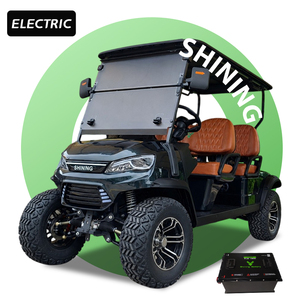
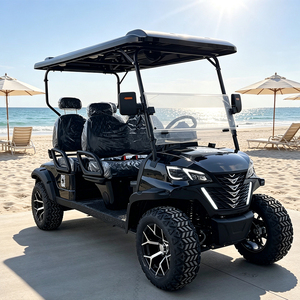
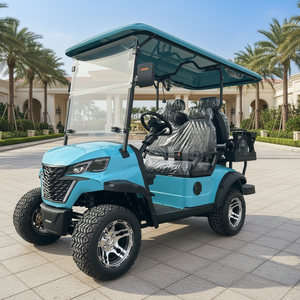
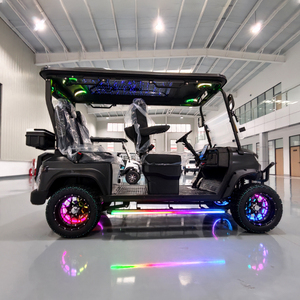
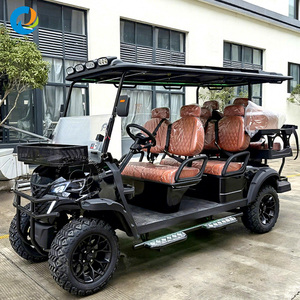
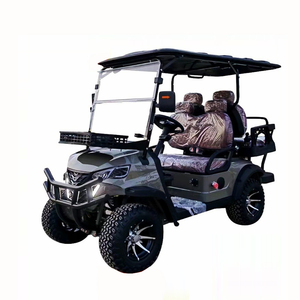
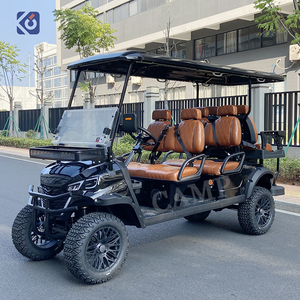
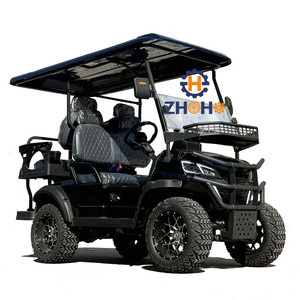
The global low-speed vehicle (LSV), electric golf cart, and commercial utility transporter markets are undergoing a seismic technological shift. Procurement directors, OEM fleet managers, and international distributors no longer evaluate manufacturers solely by unit price. Instead, evaluation focuses on structural chassis integrity, metallurgical longevity, suspension kinematics, and drivetrain synergy.
As global market demands transition toward street-legal compliance (DOT, EEC, GCC certified) and high-payload operations, identifying the best cart chassis manufacturers in China requires a granular understanding of automated production pipelines. China's top chassis manufacturers have transformed from basic tubular steel fabricators into advanced automotive-grade engineering hubs utilizing robotic CNC welding, electrophoretic dip coating (e-coating), lightweight T6 aluminum extrusions, and FEA-validated geometry.
This technical procurement whitepaper examines the critical benchmark specs, engineering methodologies, OEM customization capabilities, and strategic sourcing trends that define top-tier Chinese cart chassis manufacturers in 2026 and beyond.

A superior electric cart experience starts from the ground up. Integrating top-tier chassis metallurgy with calibrated high-voltage drivetrains delivers consistent power, safety, and operational longevity.
Unlike generic retrofitted frames, leading Chinese manufacturers engineer chassis frames specifically designed around 73.6V / 105Ah high-density lithium battery modules. Optimized weight distribution prevents frame sag, stabilizes center of gravity, and delivers consistent torque even under low battery discharge states.
Leading manufacturers directly integrate Navitas TAC2 (440A to 600A) AC controllers and upgraded 5kW–6.3kW AC motors. Frame brackets and thermal heat sinking are pre-engineered into the subframe, allowing smooth regenerative braking, customizable speed curves, and direct technician diagnostic access.
Moving away from antiquated rear-only mechanical drums, advanced cart chassis designs feature fully integrated 4-wheel hydraulic disc brake lines, custom mounting calipers, and dual-circuit master cylinders to ensure immediate stopping power on steep inclines and wet turf.
Chassis durability is defined by process repeatability. Automatic robotic arm welding eliminates human structural error. Multi-stage cathodic electrophoretic immersion coating provides 100% internal and external rust prevention, surviving 1,000+ hours of continuous salt spray testing.
China's premier factories utilize standardized jig systems capable of producing 2-passenger, 4-passenger (forward & 2+2), and long-wheelbase 6-passenger (Apex/Defender class) frames without compromising torsional rigidity or suspension tracking.
Reflecting rigorous engineering standards, leading manufacturers back their chassis sub-assemblies with a 5-year full vehicle structural frame guarantee, alongside up to 8-year lithium ECO battery warranties for peace of mind across municipal and resort fleets.
When sourcing low-speed vehicle chassis from China, comparing raw materials, frame treatment, and load ratings is critical. The matrix below outlines standard vs. premium industrial manufacturing standards.
| Engineering Benchmark | Standard Fleet Chassis | Premium Heavy-Duty OEM Chassis | Off-Road Utility / LSV Chassis |
|---|---|---|---|
| Primary Material | Q235 Structural Steel Tube | High-Yield Q345 Steel / T6 Aluminum | Heavy-Wall Seamless Alloy Steel |
| Surface Anti-Corrosion | Liquid Spray Paint | Electrophoretic E-Coating + Powder | Hot-Dip Galvanized + UV Coating |
| Suspension Geometry | Rear Leaf Springs / Front Beam | Independent Double A-Arm Coilover | Lifted Heavy-Duty Hydraulic Shock |
| Torsional Stiffness Rating | 1,200 Nm/degree | 2,400 Nm/degree | 3,100 Nm/degree |
| Max Payload Capacity | 300 kg – 400 kg | 500 kg – 750 kg | 800 kg – 1,200 kg |
| Brake System Integration | Rear Drum Mechanical | 4-Wheel Hydraulic Disc | Hydraulic Disc + Regenerative AC |
| Voltage Compatibility | 48V Lead-Acid / Lithium | 48V - 72V - 73.6V High Capacity | 72V - 96V Industrial Lithium |

As global decarbonization mandates expand, the low-speed electric vehicle market is rapidly migrating into smart municipal transit, industrial haulage, and high-end residential transportation. To satisfy these dynamic requirements, Chinese chassis manufacturers are pioneering four major innovation vectors:
Replacing heavy iron frames with 6005-T6 aluminum alloy extruded chassis reduces net frame weight by up to 35%. This weight reduction directly translates to an additional 8 to 15 miles of driving range per charge cycle on standard 73.6V lithium battery packs.
Modern frames incorporate dedicated wiring looms and mounting channels for controller area network (CAN-bus) telemetry sensors. This allows fleet managers to remotely monitor frame stress, wheel speed sensors, battery thermal states, and brake pad wear in real-time.
Direct structural integration of auxiliary solar chargers within standard extended roof struts lets commercial operators trickle-charge onboard 48V/72V lithium banks while parked or driving in daylight, boosting daily utility uptime by 15-20%.
Direct engineering answers to standard commercial procurement, manufacturing lead time, and compliance inquiries.
Navigating supplier selection requires rigorous quality verification protocols. When vetting prospective manufacturing partners in China, commercial procurement officers should mandate the following four audit checkpoints:
Ensure the factory conducts non-destructive testing (NDT) or X-ray inspection on structural frame stress points, specifically around suspension mounts and steering gear housing attachments.
Verify third-party ASTM B117 salt spray test reports certifying that the chassis e-coat process withstands a minimum of 720 to 1,000 hours without red rust corrosion formation.
Confirm the factory operates dedicated test tracks featuring 30%+ grade incline ramps, bump tracks, and water wading channels to validate chassis rigidity and IP67 electrical sealing before shipment.
Whether you are expanding a resort rental fleet, distributing street-legal LSVs, or developing specialized utility vehicles, our engineering team delivers precision-machined cart chassis and complete EV platforms tailored to your exact market specifications.