Precision-engineered electric golf buggies, street-legal LSVs, and heavy-duty utility vehicles manufactured with OEM-tier rack-and-pinion steering dynamics.
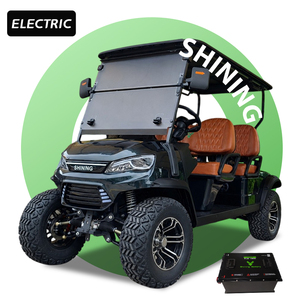
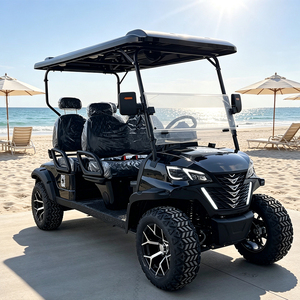
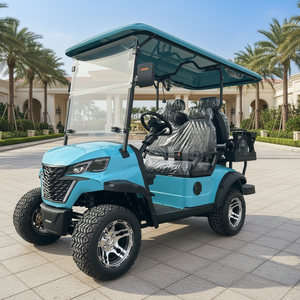
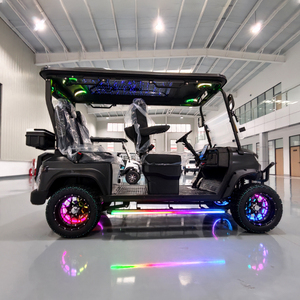
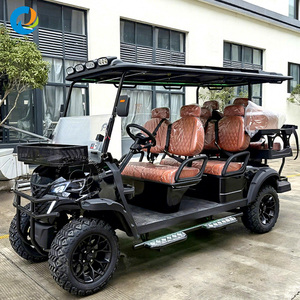
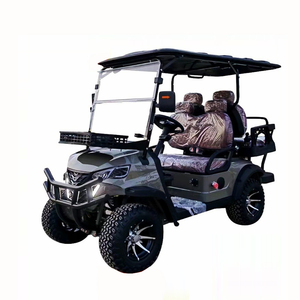
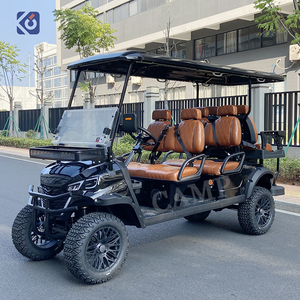
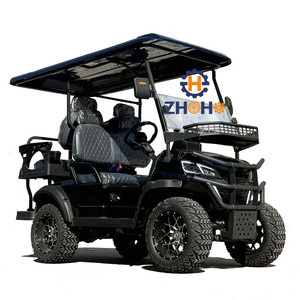
Why leading global vehicle assemblers and fleet operators partner with top Chinese steering assembly exporters for next-generation EV mobility.
Custom-calculated inner and outer wheel turning angles to eliminate tire scrubbing, improve vehicle turning radius, and prolong tread longevity across golf turf and asphalt.
IP67 sealed Electronic Power Steering (EPS) units with brushless DC motors, dynamic torque feedback, and seamless CAN-bus protocol integration for autonomous readiness.
Forged high-tensile carbon steel and aircraft-grade aluminum steering columns engineered to withstand extreme off-road shock loads and high-payload utility duty cycles.
As the international electric vehicle (EV), Low-Speed Vehicle (LSV), and golf cart industries experience rapid technological acceleration, the global supply chain has shifted its focus toward specialized OEMs in China. Sourcing high-precision steering assemblies, rack-and-pinion systems, and Electronic Power Steering (EPS) components from China’s leading factories offers international buyers an unparalleled balance of cost-efficiency, metallurgical strength, and rapid custom prototyping.
Modern low-speed electric vehicles—ranging from 4-seater resort shuttles to elevated off-road 6-passenger utility carts—demand steering linkages capable of handling variable load distributions, elevated center-of-gravity dynamics, and continuous duty cycles. Leading Chinese steering assembly exporters have moved far beyond basic mechanical assemblies. Today, top-tier manufacturers utilize computerized numerical control (CNC) machining, automated robotic welding, and dynamic torque testing to build steering boxes that meet stringent international standards including ISO 9001 and IATF 16949 certification.
When evaluating steering assembly manufacturers, procurement officers and mechanical engineers must analyze the operational demands of the target vehicle platform. The structural integrity of the steering mechanism directly impacts driver effort, straight-line tracking stability, steering returnability, and overall operational safety.
| Technical Parameter | Standard Manual Rack & Pinion | Advanced Brushless EPS Assembly | Heavy-Duty Off-Road Steering Box |
|---|---|---|---|
| Primary Application | Standard 2-4 Seat Golf Buggies & Light Utility Carts | High-End LSVs, 6-Seat Shuttles & Autonomous Vehicles | Lifted 4x4 Off-Road Carts & Commercial Fleets |
| Steering Effort (Nm) | 3.5 – 5.0 Nm (Manual Driver Input) | 1.0 – 1.8 Nm (Motor Assisted) | 2.5 – 4.0 Nm (Geared Reduction) |
| Backlash Clearance | < 0.08 mm | < 0.04 mm | < 0.10 mm |
| Ingress Protection | IP65 (Dust & Water Splash Proof) | IP67 / IP69K (Fully Sealed Actuator) | IP66 Heavy-Duty Seal Collar |
| Tie-Rod Tensile Strength | ≥ 350 MPa | ≥ 550 MPa | ≥ 700 MPa (Forged Alloy) |
| Operational Lifespan | 300,000 Input Cycles | 500,000+ Cycles (Automotive Grade) | 400,000 Severe Impact Cycles |
A poorly manufactured steering assembly results in excessive steering play, premature tie-rod wear, and severe tire scrubbing. Premium China exporters utilize high-precision helical gears within the rack and pinion box. Helical gearing provides smoother tooth engagement and higher contact ratios compared to spur gears, resulting in whisper-quiet operation and zero backlash under load.
Furthermore, when building heavy-duty platform carts—such as the Kodiak Defender or Kodiak Apex long-wheelbase series—steering geometry must accommodate heavy lithium battery packs (73.6V systems) placed centrally in the chassis. Steering tie-rod articulation angles must match the travel of front independent A-arm suspensions to prevent bump steer during off-road navigation.
As international regulations for Low-Speed Electric Vehicles (LSVs) tighten—requiring compliance with GCC, DOT, CE, and EEC certifications—the requirements for steering assemblies are shifting dramatically. Importers and global distributors should align their purchasing strategies with the following technological trajectories:
The elimination of mechanical steering columns in favor of digital signal transmission is transitioning from full-sized automotive EVs into golf and resort mobility. Chinese Tier-1 suppliers are actively testing fault-tolerant dual-redundant Steer-by-Wire modules. These units use high-speed CAN-bus communication to interface directly with vehicle main controllers (such as 440A/600A Navitas TAC2 systems), facilitating self-parking, geofenced autonomous resort routing, and remote vehicle dispatching.
To maximize battery range per charge (achieving 35–50 miles per charge on 73.6V lithium architectures), vehicle weight reduction is paramount. Steering component manufacturers are replacing traditional cast-iron rack housings with die-cast aluminum alloys (A356/ADC12) and forged aluminum tie rods. This yields a weight reduction of up to 42% while retaining high fatigue resistance under heavy cornering loads.
Modern 6-passenger sightseeing carts equipped with rooftop solar panels require low-friction steering mechanisms to reduce overall parasitic energy consumption. Next-generation EPS assemblies now feature built-in torque sensors that transmit wear diagnostics and steering effort metrics directly to fleet management dashboards, allowing preventive maintenance before mechanical failure occurs.
To mitigate risks associated with component failure, global buyers must establish rigorous quality verification protocols during factory selection. Evaluating a Chinese manufacturer requires verifying both structural engineering capabilities and quality assurance workflows.
Expert insights on sourcing, engineering, and importing steering assemblies from top factories in China.
Chinese factories offer fully integrated manufacturing lines—from raw material forging to CNC gear hobbing and automated electronic testing. This integration guarantees high precision, quick prototyping, cost efficiency, and full compliance with international standards such as IATF 16949 and ISO 9001.
Manual rack and pinion assemblies are optimal for standard 2-4 passenger golf buggies operating on flat turf with lighter front-axle loads. EPS assemblies are recommended for heavy-duty 6-passenger shuttles, lifted off-road utility carts, commercial utility vehicles, or street-legal LSVs where effortless maneuverability and low driver fatigue are critical.
Yes. Top Chinese OEM exporters offer complete ODM/OEM customization. Buyers can specify rack housing length, overall tie-rod end-to-end width, pinion shaft spline count, mounting bracket locations, and custom steering gear ratios to match specific Ackermann turning geometries.
Leading factories apply a multi-tier corrosion defense system, including hot-dip galvanization, cathodic electro-deposition (e-coating), and zinc-nickel alloy plating on tie-rod ball joints. These treatments withstand over 500 hours of continuous salt spray testing (ASTM B117 standard) without rust formation.
For standard stock steering racks, MOQs typically range from 20 to 50 units. For customized OEM/ODM steering systems involving specialized gear hobbing tooling or custom casting molds, MOQs generally start at 100 to 300 units depending on the complexity of the design.
Modern brushless DC EPS systems utilize on-demand power management. The electric steering motor draws electrical current only when the steering wheel is actively turned. At straight-line cruising speeds, power draw is near zero, preserving battery energy and ensuring maximum driving range on 73.6V lithium battery systems.
Elevate your EV platform with automotive-grade steering dynamics, customized rack-and-pinion engineering, and unbeatable OEM wholesale pricing.