Engineered with high-torque AC drivetrains, LiFePO4 battery integration, and heavy-load platform frames for commercial, industrial, and municipal operations.
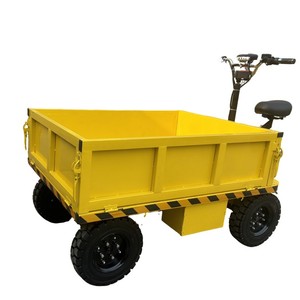
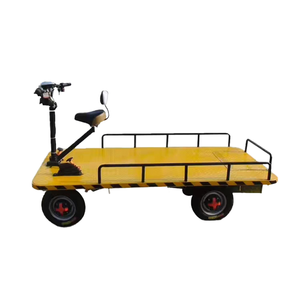
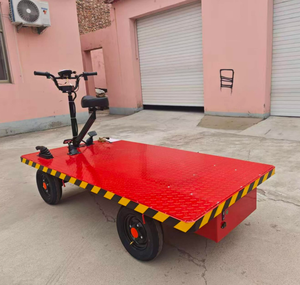
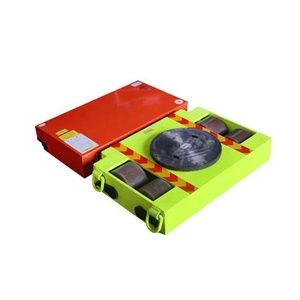
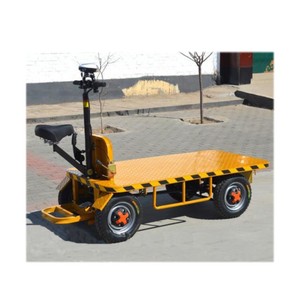
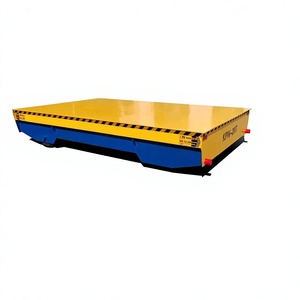
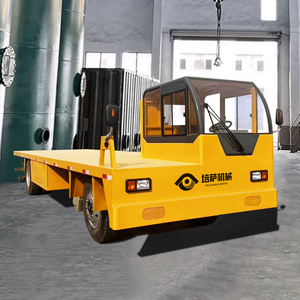
The global industrial equipment and intra-logistics landscape is undergoing a structural transition. Facilities, airports, logistics centers, and resorts are phasing out legacy lead-acid battery buggies and underpowered DC-motor cargo carts in favor of high-voltage, high-efficiency lithium platform transporters. For global procurement officers, fleet administrators, and OEM importers sourcing from China wholesale electric transporter factories, understanding the underlying technological shift is critical to maximizing ROI and minimizing Total Cost of Ownership (TCO).
Historically, off-the-shelf industrial electric flatbeds relied on mismatched components: generic motor controllers paired with low-grade lead-acid packs that suffered from severe voltage sag under heavy load. Today’s premier Chinese manufacturing hubs—leveraging advanced EV technology transfers and automotive-grade supply chains—now build purpose-engineered electric transport platforms. By standardizing high-voltage lithium chemistry (such as 73.6V LiFePO4 cells) and pairing them with high-end controllers like the Navitas TAC2 440A / 600A AC system, modern electric transporters maintain peak torque, rapid acceleration, and precise hill-climbing capabilities even down to the final bar of battery charge.
Whether sourcing ultra-heavy 93.75-ton tracked transporters for steel mill die handlings, 1-to-30 ton trackless flat cars for indoor/outdoor manufacturing operations, or 2-to-6 passenger smart electric utility shuttles for resort hubs, global procurement managers must evaluate suppliers based on matched system integration, structural fatigue engineering, and long-term diagnostic accessibility.
How our manufacturing platform redefines real-world reliability, torque delivery, and maintenance-free longevity for global commercial importers.
Engineered with premium LiFePO4 chemistry, our 73.6V / 105Ah battery packs deliver constant voltage under intense payload strains, eliminating thermal drop and requiring zero water maintenance, terminal cleaning, or acid management.
Outfitted with 440A to 600A Navitas AC controllers featuring Bluetooth real-time CAN-bus diagnostics, custom acceleration profiling, and aggressive regenerative braking that extends daily range by up to 18%.
Replacing traditional mechanical drum systems, our heavy-duty transporters feature custom 4-wheel hydraulic disc brakes, ensuring short, stable stopping distances under full 1-ton to 95-ton gross vehicle weight loads.
Purpose-tuned thermal dissipation housing prevents motor burnout during high-incline torque spikes or multi-shift heavy material hauling across industrial facility floors.
Integrated 2.4GHz wireless industrial remote control modules for heavy tracked and trackless platform cars allow single-operator precision placement in hazardous factory zones.
Extensive customization options including electrophoretic anti-corrosion dip treatment, custom frame stretch options, 10 standard PPG metallic body colors, and custom corporate branding wraps.
As global supply chains demand greater operational agility, automated material handling, and stringent zero-emission compliance, the criteria for selecting China wholesale electric transporter suppliers are rapidly evolving. Buyers are moving away from simple initial purchase price comparisons to long-term digital integration and modular adaptability.
Modern commercial transporters are no longer isolated mechanical assets. Future-ready procurement mandates onboard CAN-bus communication telematics. Fleet controllers can monitor cell-level voltage balances, motor thermal performance, payload history, and maintenance alerts remotely via mobile portals—drastically reducing unexpected downtime.
From heavy-duty 93.75-ton die-transfer tracked cars to indoor 1-ton cargo flatbed trolleys, remote control options are fast becoming standard equipment. Advanced factories are opting for dual-mode transporters: manual operator seats combined with omni-directional wireless radio remotes or magnetic stripe line-following capabilities for seamless AGV transition.
Flexibility is paramount. Modern B2B buyers favor chassis designs that feature standardized bolt patterns allowing quick swapping between flatbed platforms, stake-side cargo frames, hydraulic dump beds, or multi-passenger shuttle seating. This modular approach allows a single electric transport chassis to fulfill multiple operational roles within a facility.
To assist technical directors and procurement teams during factory evaluations, the technical matrix below outlines the critical differences between standard legacy electric trolleys and next-generation heavy-duty platform transporters manufactured in top-tier Chinese facilities:
| Engineering Metric | Legacy Lead-Acid Transporters | Next-Gen Lithium Transporters |
|---|---|---|
| Battery Chemistry & Voltage | 36V / 48V Deep-Cycle Lead Acid | 73.6V High-Density LiFePO4 Pack |
| Motor Efficiency & Control | DC Brushed Motors with Resistive Speed Steps | 6.3kW Brushless AC Motor + Navitas TAC2 Controller |
| Braking & Safety Systems | Rear Mechanical Drum Brakes Only | Hydraulic 4-Wheel Disc + Regen Dynamic Braking |
| Payload Range Capabilities | Limited to 500kg - 1.5 Tons | 1 Ton to 93.75 Ton Heavy Heavy-Duty Tracked/Trackless |
| Operational Maintenance | Weekly Distilled Water Topping, Acid Cleaning | 100% Maintenance-Free Sealed Module (8-Yr Warranty) |
Expert technical insights addressing common purchasing, custom engineering, logistics, and operational questions.
Under typical mixed industrial duty cycles with maximum rated payload (e.g., 1 to 2-ton cargo platform trucks), a 73.6V 105Ah LiFePO4 battery pack consistently yields 35 to 50 miles (approx. 55 to 80 km) of active runtime per single charge. Facilities utilizing flat concrete floors with intermittent stops often experience the high end of this spectrum, while heavy incline gradients or continuous full-capacity towing slightly reduce total range.
Tracked electric flat cars (such as our KPW20-75T series handling up to 93.75 tons) run on embedded steel rails, offering extremely low rolling resistance, guided movement, and immense structural load ratings for defined paths like steel mills or foundry die transfers. Trackless electric transport vehicles utilize polyurethane or solid rubber tires paired with dual-motor differential or 360-degree hydraulic manual/remote steering, allowing full maneuverability across smooth indoor warehouse floors and outdoor paved yards without rail infrastructure.
As an established Chinese factory supplier, complete OEM customization is available. This includes custom deck dimensions, frame reinforcement gauges, specific payload ratings (1 ton up to 100+ tons), custom paint colors (10+ PPG finishes or exact RAL matching), integrated hydraulic scissor lifts, foldable passenger seating, stake sides, and specialized telemetry/wireless remote controls.
The Navitas TAC2 AC controller offers superior thermal efficiency, programmable current limits (440A to 600A), and smooth low-speed high-torque control essential for maneuvering heavy machinery. It allows technicians to perform real-time parameter tuning, speed limit adjustments, and instant error code diagnosis via a smartphone app, dramatically simplifying field maintenance.
We back our equipment with enterprise-grade warranties: standard vehicle chassis and drivetrain platforms feature a comprehensive 5-year structural warranty, while our premium lithium ECO battery units include an 8-year manufacturer warranty. Replacement parts, controller boards, and technical support documentation are readily available for international dispatch.
Conventional electric transport carts frequently rely on rear drum brakes, which fade rapidly under heavy cargo loads or wet incline conditions. Hydraulic 4-wheel disc brakes deliver equalized hydraulic pressure across all wheel hubs, providing immediate stopping power with minimal pedal effort. Paired with dynamic motor regenerative braking, this dual-system setup maximizes driver safety and extends pad life.