Engineered with high-efficiency copper-wound AC motors, custom transaxles, and field-tested lithium power systems tailored for global distribution.
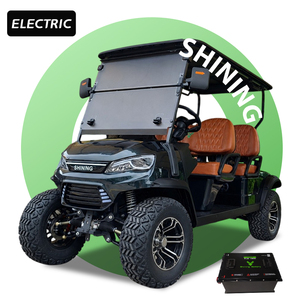
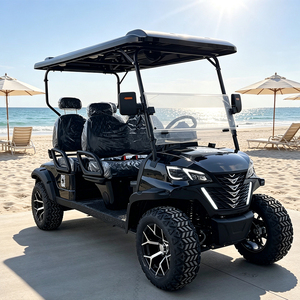
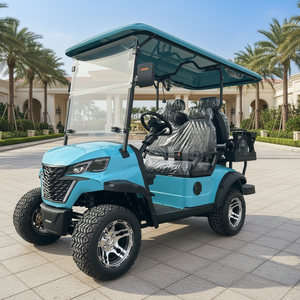
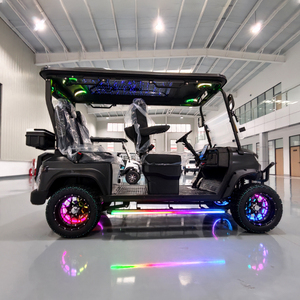
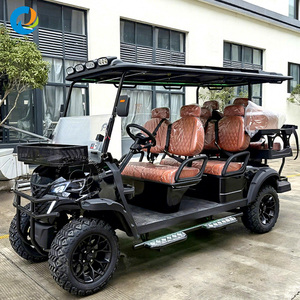
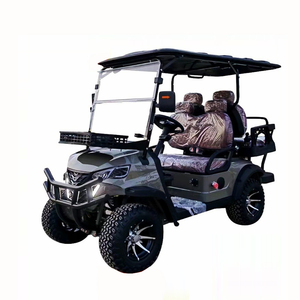
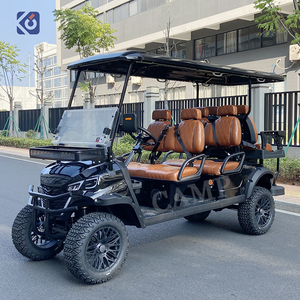
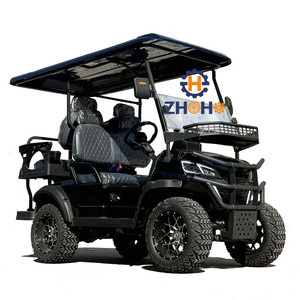
In the rapidly changing landscape of Low-Speed Vehicles (LSV), Commercial Utility Vehicles (UTV), and resort fleet transportation, the motor assembly represents the absolute mechanical heart of vehicle reliability, thermal endurance, and range efficiency. As a premier custom OEM cart motor manufacturer and global exporter, our engineering paradigm moves away from generic off-the-shelf DC brushed motors toward custom-wound Permanent Magnet Synchronous Motors (PMSM) and advanced AC Induction Systems (48V to 73.6V+) engineered specifically for heavy duty-cycles, steep gradient ascents, and high-ambient temperature resilience.
Core Technical Insight: Transitioning from conventional 48V series-wound DC systems to 73.6V high-density AC/PMSM motor architecture reduces thermal copper losses (I²R losses) by up to 38%, while delivering instant torque response across low RPM bands without brush degradation.
Our OEM motor engineering process utilizes cold-rolled non-oriented silicon steel laminations (0.35mm thickness) to dramatically minimize eddy current losses at elevated switching frequencies (8kHz to 16kHz). By utilizing automated high-fill copper slot winding, our motor stators achieve up to 88% slot fill factor. This physical density lowers internal resistance, mitigates heat buildup during prolonged heavy-payload acceleration, and allows continuous operating temperatures up to Class H (180°C) insulation thresholds.
Engineered with NdFeB (Neodymium-Iron-Boron) permanent magnets rated for N45SH operating temperatures, preventing irreversible demagnetization under continuous high-hill loads.
Precision-ground helical gearsets with customizable reduction ratios (10.5:1, 12.5:1, or 16:1) tuned for ultra-quiet acoustic operation (<62 dB) and high mechanical output transfer.
Die-cast aluminum housings featuring double-lip Viton shaft seals and potted internal sensors to guarantee immunity against moisture immersion, coastal salt mist, and mud intrusion.
A high-performance OEM cart motor must be seamlessly matched with high-current AC controllers (such as Navitas TAC2 440A/600A, Sevcon Gen4, or Curtis AC systems). Our OEM development protocols involve custom mapping of field-oriented control (FOC) parameters, optimizing field weakening for extended top speeds without exceeding battery C-rate discharge thresholds. Furthermore, integrated regenerative braking maps harvest kinetic energy during downhill deceleration, feeding back up to 18% of charge directly into 48V, 72V, or 73.6V LiFePO4 battery banks while reducing mechanical brake pad wear by over 60%.
| Motor Platform | Rated Voltage | Rated Output (kW) | Peak Torque (N·m) | Max RPM | IP Rating | Primary Application |
|---|---|---|---|---|---|---|
| AICC-AC48-5K | 48V AC | 5.0 kW Continuous | 45 N·m | 5,500 RPM | IP65 / IP67 | Standard Fleet & 4-Seater LSV Carts |
| AICC-PMSM72-6K | 72V PMSM | 6.3 kW Continuous | 72 N·m | 6,800 RPM | IP67 | Heavy Duty 6-Passenger & Off-Road Lifted Carts |
| AICC-HD74-8K | 73.6V PMSM | 8.0 kW Peak / 10kW Burst | 98 N·m | 7,200 RPM | IP67 | Commercial Cargo Shuttles & Extreme Terrain UTVs |
| AICC-SOLAR-3K | 48V / 72V Hybrid | 3.5 kW Continuous | 38 N·m | 4,800 RPM | IP66 | Solar-Assisted Resort & Sightseeing Vehicles |

Our OEM manufacturing facility leverages advanced production principles derived from established industry leaders like Kodiak Electric Vehicles (Thomaston, Georgia). By analyzing real-world operational demands across golf courses, gated communities, commercial resorts, and agricultural sites, our engineering team ensures that every motor and transaxle assembly matches rigorous physical benchmarks.
Equipped with automated dynamic testing rigs (dynamometers), thermal shock chambers, and computerized insulation resistance testers, we validate full-load duty cycles prior to mass shipment. We support custom shaftsplines, custom mounting flanges, and proprietary wiring harness integration to allow direct plug-and-play assembly on your chassis assembly lines.
Procurement directors, commercial fleet importers, and OEM brand owners must anticipate structural technological shifts in the low-speed electric vehicle domain. Key vectors shaping global purchasing decisions include:
Legacy 48V systems are rapidly yielding market share to 72V and 73.6V LiFePO4 architectures. High voltage allows for lower current draw for the same power output, drastically reducing wiring harness thickness, heat generation, and component stress while delivering superior hill-climb speeds.
Modern commercial cart fleets require integrated CAN 2.0B communication protocol between the Motor, Controller, and Lithium Battery Management System (BMS). This enables real-time remote diagnostics, geo-fencing speed restrictions, and predictive thermal maintenance tracking.
As seen in modern resort and island market demand (e.g., French Territory Mayotte markets, Caribbean resorts), flexible thin-film roof-mounted solar panels supplement daily power reserve, extending daily battery range by 15–25% in high-irradiance regions.
Higher motor torque and elevated vehicle velocity (up to 50 km/h) demand stopping power that traditional rear-drum mechanical brakes cannot safely provide. Our OEM drivetrain designs incorporate integrated mounting brackets for 4-wheel hydraulic disc brake calipers, paired with electromagnetic automatic parking brakes (EMB).
When the vehicle comes to a complete standstill on steep gradients, the electronic control unit engages the motor lock and EMB system within milliseconds, preventing rollback and establishing maximum safety compliance for DOT, GCC, EEC, and CE certified vehicles.

Below are critical technical and commercial questions answered for OEM buyers, golf cart brand owners, and fleet importers evaluating our motor and vehicle manufacturing services.
We offer full-spectrum engineering customization including stator winding configurations for target RPM/torque curves, operational voltages (36V, 48V, 72V, 73.6V, or 96V), custom rotor shaft splines (16-tooth, 19-tooth, or keyway), die-cast housing bolt patterns, temperature sensor integration (KTY84, PT100, NTC), and custom transaxle reduction ratios ranging from 10.5:1 up to 18:1.
Permanent Magnet Synchronous Motors (PMSM) offer roughly 3-5% higher peak efficiency, higher power density per kilogram, and superior low-speed torque characteristics compared to standard AC induction motors. However, AC induction motors provide excellent thermal stability at lower manufacturing costs. We manufacture both variants based on your vehicle target price and duty cycle requirements.
For standard motor models with existing tooling, our MOQ starts at 20 units. For complete custom motor housing development or specialized stator lamination stamping tooling, standard prototype development runs start at 5 units, progressing to mass production batches of 100+ units upon final PPAP sample approval.
Our AC and PMSM motors are fully compatible and pre-tested with industry-leading controllers including Navitas (TAC2 440A/600A), Curtis (1232SE/1234SE/1239E series), Sevcon (Gen4), Enpower, and Inmotion controllers. Encoder and resolver feedback options (e.g., AB phase 64/128 pulse, UVW hall sensors) are matched to your preferred controller interface.
Our manufacturing plants operate under IATF 16949 and ISO 9001 quality management systems. Every motor undergoes 100% end-of-line dynamic testing, dielectric withstand insulation testing (Hi-Pot), surge testing, noise level analysis, and helium leak testing for IP67 seal verification. Complete vehicles comply with global regulatory frameworks including CE, EEC (L7e/L6e category), GCC, and US DOT/LSV street-legal requirements.
We provide a standard 3-year warranty on commercial OEM motor and transaxle assemblies. When paired with our certified LiFePO4 battery ecosystem and matching controller packages, extended powertrain warranties of up to 5 years (or 8 years on selected lithium modules) are available for authorized distributor networks.
Complete control over electromagnetic modeling, thermal simulation (FEA), prototype machining, and multi-axis dyno testing under extreme ambient heat and load conditions.
Extensive export logistics capability across North America, Europe, the Middle East, Southeast Asia, and French Overseas Territories, backed by ready spare parts inventories.
Direct collaborative access to our mechanical, electrical, and firmware engineers to co-develop bespoke vehicle platforms from initial CAD drawings to series production.
Ready to upgrade your vehicle lineup with high-torque 48V-72V AC/PMSM powertrains, custom transaxles, and field-tested lithium integration? Contact our global engineering team today for technical specs, CAD drawings, and wholesale pricing.
Get a Quote