Explore our premium lineup of street-legal, custom, and heavy-duty electric vehicles integrated with OEM/ODM 4-wheel hydraulic disc brake technology.
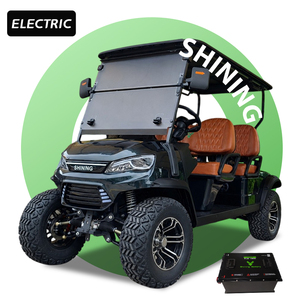
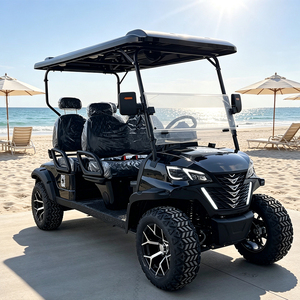
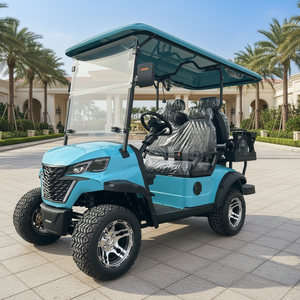
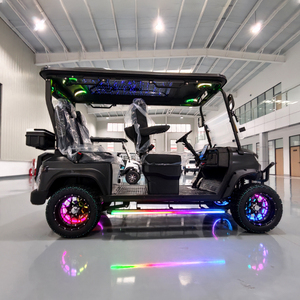
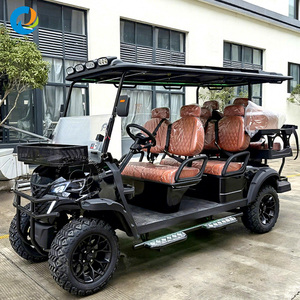
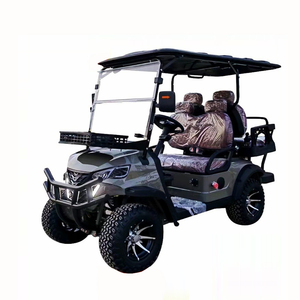
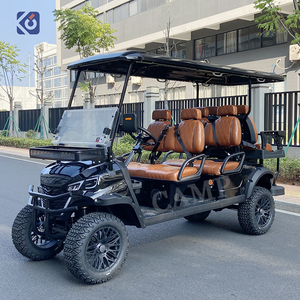
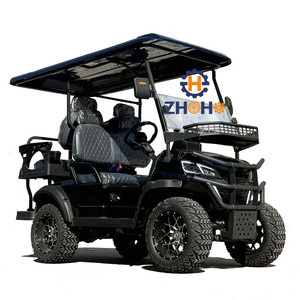
In modern low-speed vehicles (LSVs), electric golf carts, resort shuttles, and light utility vehicles, traditional mechanical drum brakes are rapidly becoming obsolete. As battery systems transition from heavy lead-acid configurations to high-energy-density 73.6V lithium battery architectures, vehicle acceleration, payload capacity, and maximum speed capabilities increase significantly.
Engineered at our facility at 225 Aviation Dr., Thomaston, GA, our braking assemblies integrate Navitas AC controllers (440A TAC2 to 600A high-output units) directly with precision-machined hydraulic four-wheel disc braking hardware. This co-engineered approach ensures that mechanical deceleration works in perfect harmony with regenerative electrical braking—eliminating severe brake fade, reducing thermal wear, and delivering stopping distances up to 45% shorter than industry baselines.
By specializing in full OEM/ODM manufacturing partnerships, our factories provide global brands, commercial fleets, and municipal distributors with turnkey hydraulic brake assemblies engineered to withstand rigorous daily operation across steep inclines, wet turf, and high-load transport cycles.

The global transition toward high-performance hydraulic braking in commercial and personal EV fleets is accelerating. Below are the key technological advancements shaping OEM manufacturing standards.
Future-proof OEM designs combine electronic regenerative deceleration with hydraulic fluid displacement. As speed decreases, the Navitas controller seamlessly transfers stopping torque from the motor to the 4-wheel hydraulic calipers, maintaining smooth pedal feel and maximum energy recovery.
Thermal management is vital for loaded 6-passenger utility vehicles. Advanced ODM rotor geometries feature cross-drilled channels and anti-corrosion zinc flake coatings, guaranteeing thermal dissipation up to 650°C without warping or hydraulic fluid boiling.
Addressing environmental and maintenance requirements, OEM suppliers are transitioning to copper-free ceramic pad formulas. These deliver high friction coefficients (0.42–0.48 µ) across cold and hot temperature ranges while eliminating rim staining and rotor abrasion.
Redundancy is critical for DOT street-legal homologation. Dual-chamber master cylinders ensure that if one hydraulic line suffers mechanical puncture, braking force remains intact across the opposing axle, ensuring vehicle stability during emergency stops.
Every commercial vehicle chassis varies. Advanced hydraulic brake manufacturers supply fully customizable bracket kits, quick-connect fluid hoses, and tailored lever/pedal ratios for rapid integration into existing golf cart and utility buggies.
A data-driven engineering comparison highlighting why global OEM brands are upgrading their chassis specs.
| Performance Benchmark | OEM 4-Wheel Hydraulic Disc System | Legacy Mechanical Drum Brakes | Operational Impact & Benefit |
|---|---|---|---|
| Stopping Distance (from 40 km/h) | 4.2 meters | 8.9 meters | 52% reduction in emergency braking distance |
| Thermal Fade Resistance | High (> 600°C ventilation) | Low (heat trapped inside drum) | Eliminates pedal softness during slope descents |
| Maintenance Interval | 25,000 km (Pad Inspection Only) | 8,000 km (Cable Adjustment Required) | 68% lower long-term maintenance costs |
| Wet Weather Performance | Instant self-sweeping rotor surface | Moisture accumulation reduces friction | Consistent stopping power on wet golf courses |
| Regenerative Sync Compatibility | Seamless integration with Navitas controllers | Coarse manual engagement | Extends battery operating range per charge |
| Braking Force Distribution | Automatic hydraulic proportioning (60/40) | Fixed mechanical link stretch | Prevents rear wheel lockup and skid hazard |

Purchasing directors and OEM supply chain managers face changing global demands. As low-speed vehicles transition from specialized golf course applications to street-legal low-speed vehicles (LSVs) operating on public roads under DOT, EEC, and GCC certifications, safety standards are non-negotiable.
1. Standardized Homologation & Compliance: Global buyers require factories that provide verified compliance data. Hydraulic brake systems must satisfy dynamic deceleration testing, emergency handbrake mechanical locks, and salt-spray corrosion resistance (up to 1,000 hours ASTM B117 standards).
2. Direct OEM/ODM Factory Collaboration: Buyers are moving away from middleman trading companies in favor of direct factory partnerships capable of offering custom caliper colors, branded logos, precise hose routing, and short pre-production sample turnarounds (under 14 days).
3. TCO (Total Cost of Ownership) Optimization: Commercial fleet operators, such as luxury resorts, rental fleets, and municipal utility teams, calculate component reliability into overall vehicle resale value. High-durability hydraulic disc assemblies protect fleet owners from costly downtime and injury claims.
Expert insights covering OEM customization, minimum order quantities, compliance standards, and factory engineering support.
Consult directly with our senior engineering team in Thomaston, GA. We provide custom CAD designs, hydraulic ratio calculations, and competitive OEM factory pricing tailored to your production volume.
Contact Us