Engineered for 230V 50Hz NZ mains power with intelligent CAN-bus protocol matching for Lead-Acid, AGM, and 73.6V Lithium Iron Phosphate (LiFePO4) drivetrains.
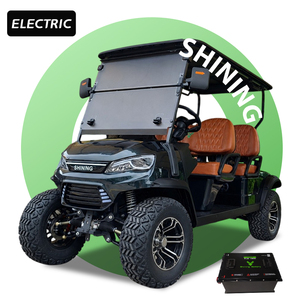
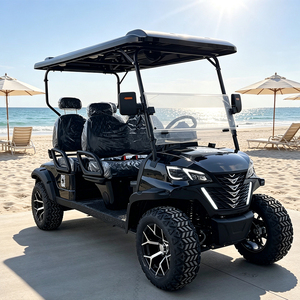
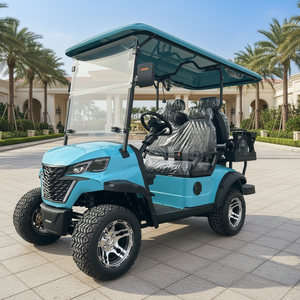
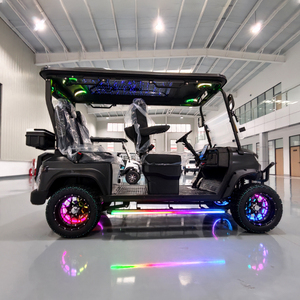
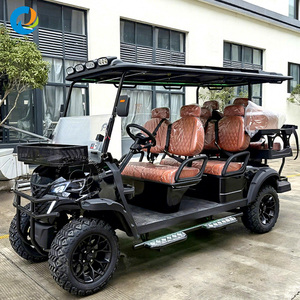
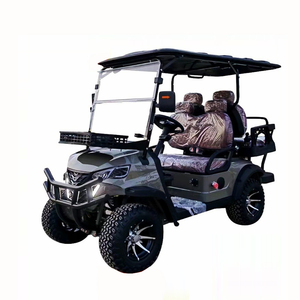
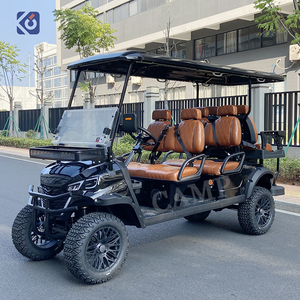
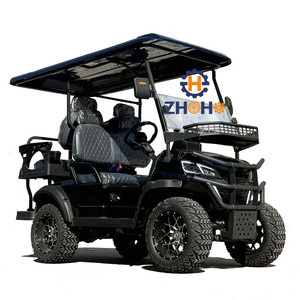
As Aotearoa New Zealand accelerates toward its net-zero carbon goals under the National Energy Efficiency and Conservation Strategy (NZEECS), commercial fleets, golf clubs, eco-resorts, and agricultural operations are rapidly converting from internal combustion utility vehicles to high-voltage electric golf carts and low-speed electric utility vehicles (LSVs). However, operating electric vehicle fleets under New Zealand's unique environmental and regulatory conditions presents distinct technical challenges. From the moisture-laden salt air of Northland to the freezing sub-zero winter temperatures of Central Otago, charging hardware must contend with volatile microclimates, strict WorkSafe NZ electrical safety mandates, and AS/NZS grid standards.
As a leading global cart charger manufacturer and primary exporter to the New Zealand market, our engineering philosophy revolves around solving real-world operational bottlenecks. Generic off-the-shelf battery chargers frequently fail in local Kiwi applications due to inadequate ingress protection, poor thermal dissipation, uncalibrated charging profiles that degrade expensive lithium cells, and non-compliance with Electrical Safety Regulations (AS/NZS 60335.2.29). This paper details the structural, electrical, and algorithmic requirements necessary for high-density golf cart fleets and heavy-duty utility vehicles operating across New Zealand.
Fully compliant with New Zealand Electrical Safety Regulations, featuring active RCM (Regulatory Compliance Mark) authorization and 230V 50Hz grid stabilization.
Die-cast aluminum enclosures coated with anti-corrosion marine-grade anodization to resist high-salinity coastal spray and orchard mud washdowns.
Real-time digital handshake protocol for 48V, 72V, and 73.6V Lithium (LiFePO4) battery packs, preventing cell imbalance and thermal runaway.
Exporting industrial cart chargers into New Zealand requires strict adherence to local electrical architecture. Unlike North American 110V/60Hz grids or continental European single-phase layouts, New Zealand operates on a nominal single-phase voltage of 230V AC at 50Hz, with standard 10A (AS/NZS 3112) or high-draw 15A pin configurations. Chargers must accommodate wide input voltage swings (180V–264V AC) to maintain consistent DC output current during peak grid demands or rural line voltage sags commonly experienced in South Island agricultural regions.
Our exported chargers and matching electric vehicles are specifically calibrated for four dominant economic sectors across New Zealand:
From championship courses in Queenstown to coastal fairways in Hawke's Bay, fleet managers require overnight fast-charging (3 to 5 hours) to ensure 36-hole range capability under heavy terrain inclines. Our chargers utilize multi-stage Constant Current / Constant Voltage (CC/CV) profiles with auto-float termination to preserve battery health over thousands of cycles.
In Bay of Plenty and Marlborough, rugged 4-seater and 6-seater utility carts are used daily for crop monitoring and payload haulage. Chargers deployed in these environments feature fully encapsulated potting compound to safeguard internal electronics against fine airborne dust, fertilizers, and high-pressure hose cleanings.
Sprawling eco-resorts in Fiordland and Rotorua depend on silent, zero-emission 6-passenger shuttle carts like the Kodiak Apex and Defender series. On-board intelligent chargers allow resort operators to top-up batteries at any standard NZ wall socket during guest lunch hours without removing battery cowlings.
Modern fleet management in New Zealand is rapidly shifting away from legacy flooded lead-acid batteries to high-voltage Lithium Iron Phosphate (LiFePO4) systems, such as the 73.6V / 105Ah platform paired with Navitas AC controllers (6.3kW) and hydraulic 4-wheel disc brake chassis. Below is the technical comparison matrix detailing charger parameters required for optimal performance:
| Technical Parameter | Legacy Lead-Acid / AGM Charger | Next-Gen 73.6V Lithium (LiFePO4) Charger | NZ Operational Advantage |
|---|---|---|---|
| Nominal DC Output Voltage | 48V DC (54.6V Peak) | 73.6V DC (87.6V Peak) | Higher torque efficiency; faster hill climb speed. |
| Nominal AC Input Range | 220V–240V AC, 50Hz | 180V–264V AC Active Auto-Ranging | Handles voltage dips in rural NZ grid networks. |
| Power Factor Correction (PFC) | Passive (PFC ~0.75) | Active (PFC > 0.99) | Reduces energy bill costs for commercial fleets. |
| Charge Cycle Duration | 8 to 10 Hours | 2.5 to 4 Hours (Fast Charge) | Maximized fleet uptime during high-turnaround events. |
| Ingress Protection Rating | IP20 – IP44 (Vented Fans) | IP67 Sealed Solid-State Aluminum | Complete resistance to coastal salt spray & rain. |
| BMS Communication Protocol | None (Analog Voltage Sensing) | CAN-Bus 2.0B / RS485 Interface | Prevents overcharging, thermal runaway & cell decay. |
Our manufacturing complex builds chargers and electric utility vehicles specified to meet global original equipment manufacturer (OEM) benchmarks. By integrating custom-tuned Navitas TAC2 AC controllers (440A to 600A) with 6.3kW high-torque AC motors, our chargers are programmed to communicate directly with the vehicle's central processing unit. This tight synergy guarantees that energy recuperated through regenerative braking is mirrored during wall-plug charging cycles, smoothing out current spikes and extending overall battery pack lifespan by up to 40%.
Whether you are importing standalone off-board chargers for Club Car, EZ-GO, or Yamaha replacement programs, or sourcing complete high-performance 4-seater off-road carts featuring custom aluminum chassis, front storage baskets, and 4-wheel hydraulic disc brakes, our manufacturing facilities provide comprehensive OEM/ODM customization. Every unit exported to New Zealand undergoes rigorous 100% full-load burn-in testing, high-voltage insulation dielectric testing, and automated thermal imaging checks to eliminate early field failures.
Below are authoritative responses to the most common technical, regulatory, and logistical questions raised by New Zealand golf course superintendents, EV dealers, and commercial buyers:
Yes. All chargers exported to New Zealand carry full AS/NZS 60335.1 and AS/NZS 60335.2.29 test certifications issued by accredited testing bodies. We supply complete test reports, SAA certification numbers, and RCM compliance documentation required by WorkSafe NZ for immediate commercial deployment.
We supply heavy-duty AS/NZS 3112 compliant mains power cords. Depending on the charger's wattage (e.g., 1.5kW to 3.3kW), units are equipped with standard 10A 3-flat-pin Kiwi plugs or heavy-duty 15A wide-earth-pin plugs for industrial fast-charging stations.
Absolutely. Our IP67-rated chargers utilize completely sealed die-cast aluminum housings injected with thermally conductive silicone potting compound. This eliminates internal air exposure, protecting sensitive MOSFETs and capacitors from coastal salt haze, high humidity, and pressure washing.
Yes. Our engineering team can pre-flash multi-stage charging algorithms customized for specific lithium battery chemistries (LiFePO4, NMC) or conventional flooded/AGM batteries (such as Trojan, Eco Battery, or local NZ battery packs) prior to export shipment.
We maintain streamlined export freight channels to main ports including Auckland (POAL), Port of Tauranga, and Lyttelton (Christchurch). Standard ocean container shipments typically arrive within 14 to 21 days from factory clearance, with expedited air freight options available for urgent spare parts support.
All our commercial cart chargers come with a standard 3-year to 5-year direct factory replacement warranty. We provide registered NZ distributors with complete diagnostic software suites, replacement module kits, and direct technician-to-engineer video support.
We are actively expanding our authorized dealership and distributor network across the North and South Islands of New Zealand. By partnering directly with our manufacturing headquarters, local EV dealers and golf cart re-sellers gain access to factory-direct wholesale pricing, localized marketing collateral, custom branding options (OEM logo silk-screening and custom enclosure colors), and exclusive territorial distribution agreements.
Whether you manage a resort fleet upgrade in Queenstown, operate a machinery dealership in Waikato, or service golf fleets in the greater Auckland region, our engineering and export sales teams are ready to support your business growth with world-class charging technology.
Connect with our senior technical engineers today to request complete AS/NZS compliance certification packages, factory-direct pricing catalogs, or custom OEM charger development for your electric vehicle project.
Contact Us