Engineered for European Commercial Fleets, Municipalities & High-End Resorts
 DOT/GCC Certified
 EU Export Grade
 CE Approved
 EEC Certified
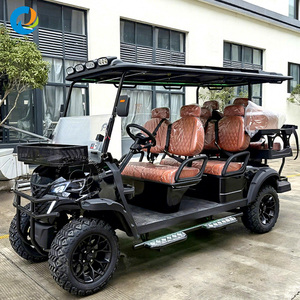 Solar-Hybrid Edition
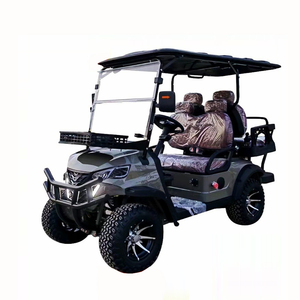 High Efficiency
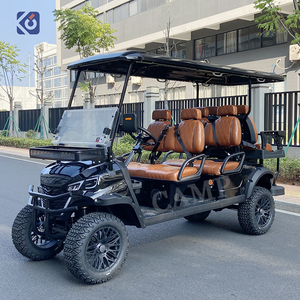 Sightseeing Fleet
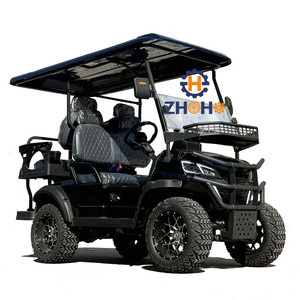 Luxury Custom
The metropolitan region of Berlin-Brandenburg has emerged as Europe’s epicenter for zero-emission transport solutions. Driven by strict municipal carbon mandates—most notably the Berlin Climate Neutral 2045 strategy—commercial operators, municipal service providers, and logistics hubs are undergoing a rapid transition from internal combustion engines to advanced electric powertrains. This shift extends far beyond highway-registered passenger cars to include Low-Speed Vehicles (LSVs), light commercial utility buggies, micro-shuttles, and specialized turf vehicles.
In urban core sectors such as Mitte, Friedrichshain-Kreuzberg, and Charlottenburg-Wilmersdorf, the implementation of ultra-low emission zones (Umweltzone) requires zero-noise and zero-tailpipe operations. Procurement managers within Berlin’s municipal departments, park administrations (such as Grün Berlin GmbH), historical estates, and private industrial campuses demand e-mobility hardware that delivers uncompromised torque, extended operating range, and rigorous European regulatory compliance.
Strict access regulations require commercial utility carts and last-mile vehicles to utilize maintenance-free lithium battery technology with zero off-gassing.
German winters demand powertrains calibrated for sustained voltage output under sub-zero conditions (-15°C), backed by integrated thermal BMS protection.
Exporters and manufacturing partners serving the Berlin market must bridge the gap between high-volume production efficiency and precise German engineering standards. Standard off-the-shelf 48V lead-acid golf carts are no longer viable for heavy-duty commercial service. Modern purchasing intent prioritizes high-voltage architecture (73.6V / 72V Lithium-ion LiFePO4 systems), programmable AC vector controllers (such as Navitas TAC2), four-wheel hydraulic disc braking systems, and lightweight modular chassis design.
Custom-engineered electric vehicles and powertrain assemblies supplied by specialized factories serve diverse operational duty cycles across the Berlin-Brandenburg economic zone. Below are primary localized applications where high-performance electric buggies and utility vehicles provide measurable operational advantages:
Managing extensive public green spaces like the Großer Tiergarten, Tempelhofer Feld, and the Gardens of the World requires silent, non-polluting maintenance fleets. Carts equipped with 6.3kW AC motors and heavy-duty rear utility beds allow maintenance crews to transport landscaping equipment, waste receptacles, and irrigation supplies across turf and paved paths without disturbing visitors or compacting sensitive soil.
With Berlin’s logistics hubs along the Westhafen canal and Berlin Brandenburg Airport (BER) optimizing micro-fulfillment networks, light electric utility vehicles (UTVs) are deployed for inner-city courier operations. Featuring payload capacities exceeding 500 kg and street-legal certification (EEC/CoC L7e categories), these vehicles navigate narrow historic streets and pedestrianized zones effortlessly.
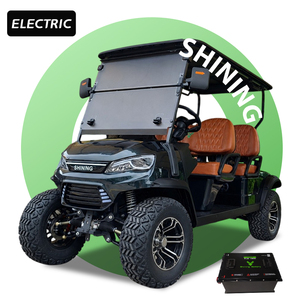
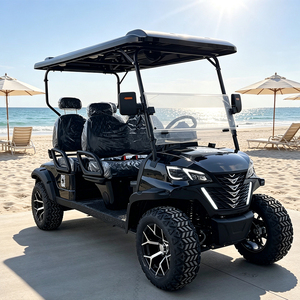
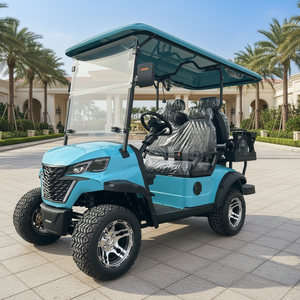
Brandenburg’s premier golf resorts—such as Golf Resort Berlin-Wannsee and Golf Club Bad Saarow—require premium 4-passenger and 6-passenger vehicles that pair luxury seating with exceptional slope-climbing capabilities. Vehicles outfitted with long-wheelbase chassis, customized body paint options (over 10 metallic and matte finishes), and independent suspension systems deliver a smooth ride over undulating terrain.
The manufacturing expansion around Grünheide (Tesla Gigafactory Berlin-Brandenburg ecosystem) has heightened demand for robust intra-facility transport. Electric tuggers, maintenance buggies, and personnel shuttles operating on 73.6V platforms provide continuous 3-shift reliability, rapid 2-hour charging, and integration with automated charging stations.
To establish verifiable engineering advantages, OEM fleet buyers must evaluate drivetrain efficiency metrics. Standard 48V systems often suffer from voltage sag under heavy load, causing speed reduction on inclines. Our factory-installed 73.6V architecture maintains flat discharge curves and optimum thermal dissipation.
| Performance Specification | Standard 48V Lead-Acid System | High-Output 72V / 73.6V Lithium Platform | Operational Impact for Berlin Fleets |
|---|---|---|---|
| Nominal Battery Pack Voltage | 48V Nominal | 73.6V Nominal (LiFePO4 Chemistry) | 53% higher operating voltage; reduces current draw (Amps) and electrical heat generation. |
| Motor & Controller Calibration | 3.5 kW DC or Basic AC Motors | 6.3 kW Brushless AC / Navitas TAC2 440A-600A | Instantaneous hill-climbing torque; programmable speed curves up to 50 km/h. |
| Usable Battery Range | 25–35 km per charge (drops in winter) | 60–90 km per charge (thermal BMS integrated) | Allows full double-shift commercial service without mid-day recharging. |
| Braking Architecture | Rear Mechanical Drum Brakes | Hydraulic 4-Wheel Disc Brakes + Regenerative | Reduces stopping distance by 45% on wet, slippery Berlin cobblestones. |
| Vehicle Weight & Payload | Heavy lead batteries; low payload margin | 50% lighter lithium pack; up to 500kg payload | Preserves turf integrity and increases cargo capacity for heavy equipment. |
| System Warranty Coverage | 1–2 Years Limited Warranty | 5-Year Vehicle / 8-Year Lithium Pack Warranty | Dramatically reduces Total Cost of Ownership (TCO) over an 8-year fleet cycle. |
By pairing a 73.6V high-capacity LiFePO4 battery pack directly with a customized Navitas TAC2 600A controller, our electric powertrains allow fleet managers to monitor motor temperature, adjust regenerative braking aggressiveness, and restrict maximum speed profiles via mobile Bluetooth diagnostic applications.
As a premier manufacturing enterprise and global exporter of high-grade electric vehicles, our production ecosystem is tailored to meet the strict demands of European B2B importers, regional distributors, and commercial fleet purchasers serving Berlin. Built upon years of specialized manufacturing experience, our enterprise guarantees quality at every stage of production.
Chassis frames undergo automated robotic welding and double-layer cathodic electro-coating (E-coating) to resist severe road salt and humidity common in North-Central Europe.
Vehicles are engineered to fulfill EU Low Speed Vehicle standards, complete with LED road lighting packages, side mirrors, 3-point safety belts, and windshield wipers.
From 2-seater compact utility setups to extended 6-passenger resort shuttles, we offer custom chassis lengths, solar charging roofs, hydraulic tilt cargo beds, and custom corporate branding.
All exports to Germany are supported by dedicated replacement parts inventories, guaranteed component availability, and an 8-year factory lithium battery warranty program.
Our engineering team works directly with Berlin procurement directors to customize drive ratios, suspension stiffness, and tire tread patterns (turf, all-terrain, or smooth street tires) according to specific site requirements. Every vehicle undergoing export undergoes rigorous dynamic testing, including 30-degree ramp climb tests, water-ingress waterproofing checks (IP67 motor/controller enclosure), and high-load brake stopping distance verifications.
Navigating international supply chains for commercial electric utility vehicles requires clear answers regarding regulatory standards, customs entry, and technical compatibility. Below are key inquiries frequently raised by German importers and commercial fleet operators: