Custom-engineered low-speed electric vehicles (LSVs) and utility carts optimized for East Africa’s climate, high-altitude terrain, and commercial duty cycles.
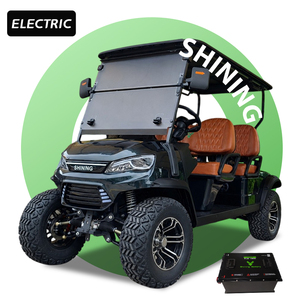
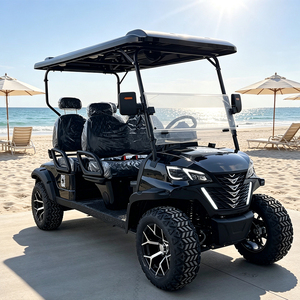
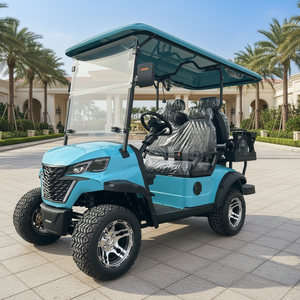
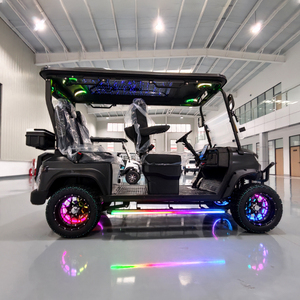
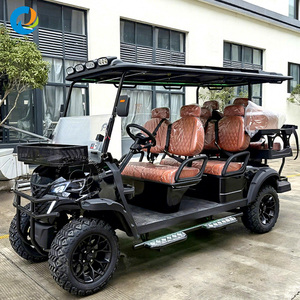
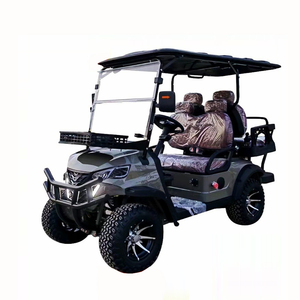
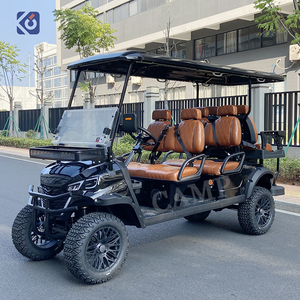
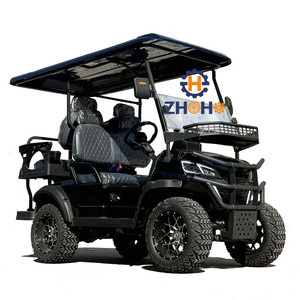
An in-depth technical analysis for institutional buyers, fleet developers, and resort operators navigating East Africa’s rapid transition to zero-emission mobility.
Ethiopia made global headlines by becoming the first sovereign nation to ban the importation of internal combustion engine (ICE) passenger cars. Under the strategic direction of the Ministry of Transport and Logistics, the government aims to leverage Ethiopia's abundant hydro and solar power (such as the Grand Ethiopian Renaissance Dam - GERD) while drastically reducing foreign exchange drain caused by imported fossil fuels.
For commercial operators in resort zones, industrial parks, and municipal developments, this macroeconomic pivot makes high-capacity electric golf carts and low-speed utility vehicles (LSVs) the standard choice for localized intra-facility mobility.
Operating electric vehicles in Ethiopia presents unique environmental requirements. Major urban centers like Addis Ababa sit at elevated altitudes exceeding 2,350 meters above sea level, while resort regions in the Great Rift Valley experience high ambient temperatures. Standard budget golf carts imported from unverified traders frequently suffer from thermal throttling and rapid voltage drop on steep slopes.
Tier-1 manufacturing suppliers integrate 73.6V high-density Lithium Iron Phosphate (LiFePO4) systems paired with heavy-duty thermal management heat sinks and programmable Navitas TAC2 AC controllers to guarantee sustained hill climbing without power fade.
Deploying specialized electric utility fleets across key growth sectors in Addis Ababa, Hawassa, Bishoftu, and regional economic corridors.
Facilities across Hawassa Industrial Park, Bole Lemi, and Adama require continuous, zero-emission indoor/outdoor material handling. Lifted electric utility vehicles equipped with flatbed cargo boxes (500 kg payload) enable zero-smell transit of garments, electronics, and spare parts across manufacturing floors.
High-end resorts along Lake Bishoftu, Lake Langano, and Hawassa prioritize peaceful environments. Silent 4-seater and 6-seater luxury carts fitted with extended Solar Panel PV Roof Canopy Assemblies allow resorts to transport guests around expansive waterfront properties while recharging via sunshine.
As the diplomatic capital of Africa housing the African Union (AU) Headquarters and UNECA, Addis Ababa requires secure, street-legal LSVs. DOT/GCC certified carts with LED lighting bars, seat belts, and hydraulic brakes offer secure VIP transport across diplomatic compounds.
Evaluating the technical structural differences that determine vehicle longevity in East African operational environments.
Direct answers to essential commercial, logistical, and technical questions asked by Ethiopian fleet managers and importers.
Under the national e-mobility policy, zero-emission electric vehicles—including golf carts, LSVs, and utility buggies—receive total regulatory priority. They qualify for favorable customs clearance pathways at Modjo Dry Port and Djibouti Port, with significantly reduced tariffs compared to traditional engine vehicles.
In high-solar-irradiance areas like the Rift Valley or Oromia Region, a 200W-300W monocrystalline roof solar array adds approximately 15 to 25 kilometers of extended driving range per day. It continuously trickles charge into the lithium battery while parked in sunlight, ideal for off-grid applications.
High-voltage 73.6V architectures supply superior current efficiency to the 6.3kW Navitas AC motor compared to old 48V setups. This maintains constant torque up steep inclines (e.g., Entoto or Kolfe Keranio hills) even when carrying 6 passengers or heavy cargo.
Factory production and custom branding take 15-20 days. Ocean freight from main OEM sea ports to the Port of Djibouti takes roughly 18-25 days, followed by transit via the Ethio-Djibouti Railway or truck freight to Modjo Dry Port (7-10 days). Total door-to-port delivery averages 40-55 days.
Direct OEM manufacturing contracts include initial wearing parts packages (brake pads, LED assemblies, solenoid switches, controller harnesses). Diagnostic software for Navitas controllers can be accessed via smartphone Bluetooth apps, enabling local technicians to troubleshoot instantly.
OEM factories offer complete visual customization: custom automotive metallic paint finishes (10+ color options), custom laser-etched vinyl logos, weather-proof enclosure curtains, modified seat colors, and custom tire/rim packages tailored for golf courses or off-road mud conditions.
Built bold to deliver unyielding reliability, unmatched warranty guarantees, and total peace of mind for African fleet operations.
Every chassis undergoes rigorous stress testing, robotic welding inspection, and electrical harness waterproofing. Engineered with USA-calibrated Navitas controllers to ensure optimal efficiency and safety across all terrain profiles.
Dedicated enterprise export team experienced in East Africa port documentation, LC (Letter of Credit) compliance, container packing optimization, and localized dealer assembly support.
Eliminate middleman markups and secure direct manufacturer warranty coverage: 5 full years on the vehicle framework and up to 8 years on maintenance-free LiFePO4 battery banks.
Speak directly with our factory engineering team to request customized quotation packages, technical CAD specs, or bulk dealer container pricing.
Contact Us