Certified low-speed electric vehicles, off-road utility buggies, and high-tensile canopy configurations customized for Uruguay's unique coastal & inland duty cycles.
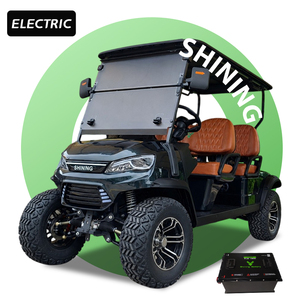
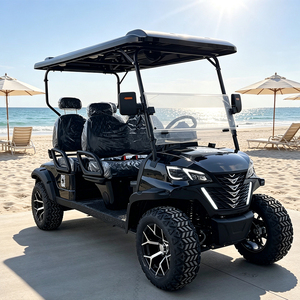
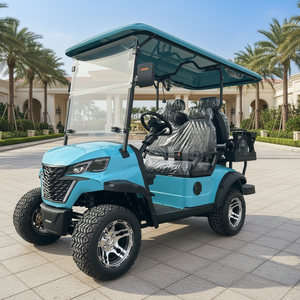
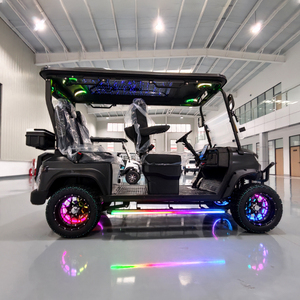
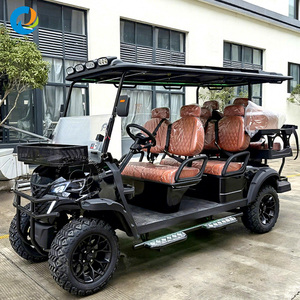
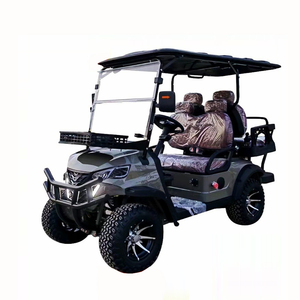
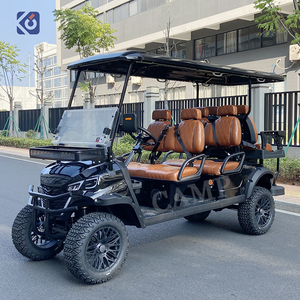
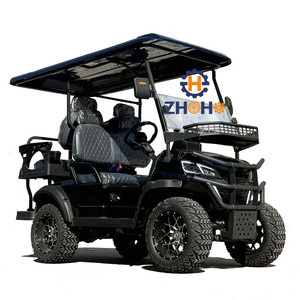
Uruguay stands out as a unique operational environment in South America. Characterized by high environmental standards, a 98%+ renewable power grid, dynamic coastal microclimates, and thriving hospitality hubs in Punta del Este, Colonia del Sacramento, and Montevideo, the country demands commercial low-speed electric vehicles (LSVs) and utility carts that exceed baseline global specifications. Among the critical structural components of these vehicles, the cart canopy (roof system) serves as the primary defense against intense maritime UV radiation, saline air corrosion, and seasonal South Atlantic wind squalls.
For B2B importers, fleet procurement directors, and resort operators in Uruguay, selecting top-tier Chinese cart canopy factories and OEM cart manufacturers is no longer merely a pricing decision—it is an engineering optimization challenge. This comprehensive industry report evaluates the material science, structural engineering, logistical dynamics, and total cost of ownership (TCO) tied to sourcing high-performance cart canopy systems and complete electric vehicles directly from leading Chinese industrial facilities.
Modern Chinese manufacturing facilities have shifted from generic fiberglass and low-density polyethylene (LDPE) canopy production to precision injection-molded automotive-grade polypropylene (PP), thermoformed ABS composites, and structural 7075-T6 aluminum alloy roof frameworks. When combined with advanced AC drivetrains—such as 6.3kW Navitas-tuned motors, 440A/600A TAC2 controllers, and 73.6V LiFePO4 battery banks—the resulting vehicles offer unmatched reliability for commercial duty cycles across Uruguay.
To assist Uruguayan procurement managers in making technically sound investment decisions, the matrix below highlights the mechanical properties, wind-load ratings, UV degradation lifespans, and salt-spray performance across the three dominant cart canopy manufacturing standards sourced from China.
| Canopy Material Standard | Structural Frame Alloy | UV Degradation Rating | Wind Load Max Speed | Uruguay Coastal Suitability |
|---|---|---|---|---|
| Injection-Molded Automotive ABS/PP | Anodized Extruded Aluminum (6063-T6) | UV-800 Protected (10+ Years No Fading) | Up to 110 km/h Gusts | Optimal (10/10) — Zero Rust, High Impact Elasticity |
| Fiberglass Reinforced Polymer (FRP) | Powder-Coated Tubular Steel | UV-400 Protected (4–6 Years Before Gel-Coat Wear) | Up to 85 km/h Gusts | Moderate (6/10) — Rust Risk at Welded Joints |
| Mono-crystalline Solar Integrated Canopy | Reinforced Structural Aluminum 7075-T6 | Tempered Anti-Reflective Glass + Composite | Up to 100 km/h Gusts | Superior (9.5/10) — Provides Active Battery Charging |
| Thermoformed Vacuum Polyethylene | Standard Galvanized Steel Struts | Basic UV-200 (2–3 Years Chalking Risk) | Up to 70 km/h Gusts | Poor (4/10) — High Deformation in Summer Heat |
For operations located within 5 kilometers of Uruguay's Atlantic coast, specifying **Anodized Extruded Aluminum canopy struts** paired with UV-800 stabilized ABS/PP top shells eliminates structural oxidations caused by salt fog, protecting guest comfort and maintaining fleet aesthetic values over multi-year commercial leases.
Tailoring Chinese factory OEM configurations to the specific geographic and operational demands of Uruguayan commercial sectors.
High-end hospitality venues require whisper-quiet operation, VIP seating comfort, and extended passenger canopy tops to shield international guests from intense summer sun. Vehicles equipped with 4+2 passenger layouts, extended clear-view rain enclosures, and marine-grade stainless hardware excel under continuous seaside service.
Thermal bath resorts operate in high-humidity zones with elevated mineral vapor exposure. Chinese cart factories supply specialized anti-corrosive canopy supports, sealed CAN-bus electrical looms, and hydraulic 4-wheel disc brakes that prevent brake fade during humid, multi-passenger stop-and-go operations.
Industrial facility management along the Port of Montevideo demands heavy utility buggies (500kg+ payload capacity) fitted with aluminum cargo boxes and heavy-duty utility canopy frames. Integrated LED work lights within the canopy front cowl facilitate safe night shifts and warehouse maneuvering.
Rural Uruguayan estates feature unpaved trails, rolling hills, and vast distances between facilities. Solar-panel integrated canopy tops paired with lifted off-road suspension (12-inch ground clearance) provide continuous battery replenishment, allowing daily farm checks without fear of depletion.
Suburban gated communities require DOT/CE certified 72V lithium low-speed vehicles for family commuting. Canopy designs with integrated roof rails allow mounting surfboard racks, golf bag holders, and child-safe seating attachments.
Government initiatives favoring green urban mobility lean heavily toward 100% electric utility platforms. Zero-emission vehicles with lightweight composite canopy structures offer low turf compaction on public park grass while delivering reliable daily service.
Uruguay's national commitment to decarbonization has positioned it as a regional leader in electric vehicle adoption. Key macroeconomic drivers shaping the B2B cart canopy and vehicle procurement market include:
As a senior SEO growth director and technical consultant working alongside premier Chinese electric vehicle manufacturing clusters, we highlight the core engineering advantages that establish industrial leadership in South America:
Factories feature internal 5-axis CNC mold fabrication centers capable of producing custom canopy geometries, integrated soundbar recesses, and specialized branding logos directly stamped into the composite material.
Instead of assembling disparate third-party components, leading factories tune the 73.6V LiFePO4 battery pack, Navitas AC controller, and 6.3kW motor as an interconnected system for optimized thermal and electrical efficiency.
Vehicles and canopy structures comply with rigorous DOT, CE, EEC, and GCC standards, ensuring smooth customs clearance through the Port of Montevideo and hassle-free vehicle licensing where required.
Expert engineering and commercial answers to simplify your import, fleet deployment, and canopy specification process.
Connect directly with our engineering team to review full vehicle technical datasheets, canopy CAD specifications, and bulk container shipping quotes tailored for Montevideo, Punta del Este, and regional South American distributors.