Discover our premier line-up of street-legal, off-road, and multi-passenger low-speed electric vehicles (LSVs). Designed with precision AC motors and advanced lithium power cells, these carts represent the peak of reliability for Costa Rica's demanding geography.
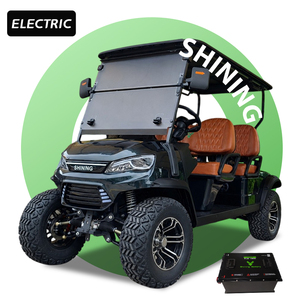
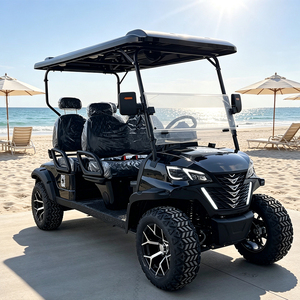
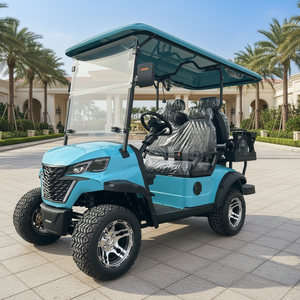
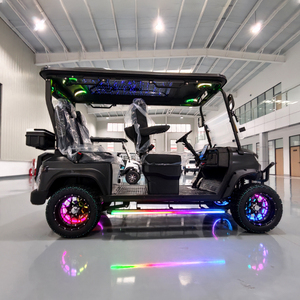
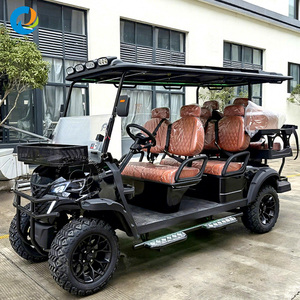
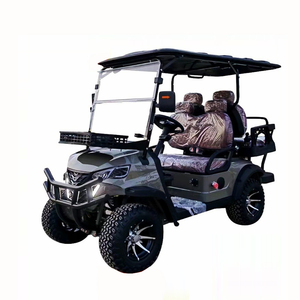
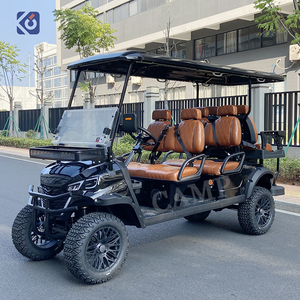
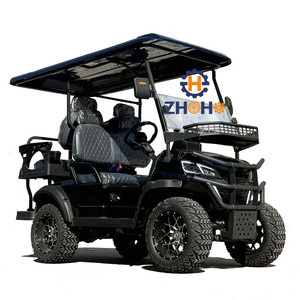
Costa Rica presents a unique set of operational challenges for light electric vehicles (LEVs). From the steep volcanic inclines of Arenal and Monteverde to the high salinity, humidity, and coastal heat of Guanacaste and the Papagayo Peninsula, traditional DC (Direct Current) motor systems frequently fall short. Modern fleet managers, luxury resort operators, and eco-tourism developers are rapidly transitioning to high-efficiency AC (Alternating Current) induction and permanent magnet synchronous motors.
Unlike legacy DC brushed motors, which suffer from commutator drag, rapid carbon brush wear, and thermal degradation under continuous incline loads, AC golf cart motors maintain peak torque performance across a wide RPM band. When coupled with advanced controller systems such as the Navitas TAC2 440A/600A and high-voltage 73.6V lithium-iron-phosphate (LiFePO4) energy packs, AC motors deliver exceptional power conversion efficiency, minimal thermal output, and total maintenance-free longevity.
Costa Rican topography features slope gradients frequently exceeding 15% to 22%. OEM 6.3kW AC tuned motors deliver immediate low-end torque without thermal shutdown. The variable frequency drive (VFD) controls voltage and frequency simultaneously, eliminating torque drop-off during sustained elevation gains.
Coastal resorts operate in highly corrosive marine environments with humidity levels consistently above 85%. Our factory partners utilize electrophoretic-coated (E-coat) aluminum chassis frames, sealed IP67 AC motor housings, and marine-grade wiring harnesses to completely block moisture ingress and salt-fog oxidation.
Descending steep mountain paths carrying 4 to 6 passengers creates extreme brake wear on standard drum brake carts. Intelligent AC motor controllers implement dynamic regenerative braking, feeding energy back into the 73.6V lithium battery while controlling descent speed safely without mechanical friction overlay.
Understanding information gain in utility fleet operations requires examining empirical performance data. The table below details why premier Costa Rican commercial operations are upgrading their fleets to high-voltage AC motor technology.
| Performance Metric | Modern 73.6V AC Drivetrain System | Legacy 48V DC Brushed System | Costa Rica Operational Impact |
|---|---|---|---|
| Motor Efficiency | 94% - 96% Energy Efficiency | 70% - 78% Energy Efficiency | +25% longer range per charge on mountainous resort paths. |
| Peak Torque Delivery | Instantaneous zero-RPM full torque | Progressive ramp-up, prone to stalling | Effortless startup on steep resort driveways and muddy trails. |
| Thermal Dissipation | Brushless external cooling fins (IP67) | Internal brush friction, high heat build-up | Prevents thermal tripping during high-ambient tropical afternoons. |
| Braking Architecture | Hydraulic 4-Wheel Disc + Motor Regen | Mechanical Rear Drum Brakes | Shorter stopping distances, 80% reduction in brake shoe maintenance. |
| Maintenance Requirements | Zero motor maintenance (No carbon brushes) | Routine brush replacement & commutator skimming | Significantly lowers overall cost of ownership (TCO) for fleet operators. |
| Battery Integration | 73.6V LiFePO4 (3,500+ lifecycle cycles) | Flooded Lead-Acid (500-800 cycles) | Eliminates battery acid spill risk; compatible with eco-resort standards. |
Golf carts and electric utility vehicles in Costa Rica fulfill tasks far beyond traditional golf course mobility. Vehicles must seamlessly adapt to commercial hospitality, residential gated communities, eco-tourism transport, and light agricultural operations.
Five-star international hotel properties require silent, smooth passenger transport for guests traveling between villas, beaches, and dining venues. Stretched long-wheelbase models like the Kodiak Apex 6PR provide luxury seating, ultra-quiet AC motor acceleration, and zero exhaust emissions, matching strictly monitored local environmental standards.
Wet, high-humidity terrain requires maximum tire traction and high ground clearance. Outfitted with lifted suspensions, all-terrain tires, and upgraded 5kW-6.3kW AC motors, vehicles like the Kodiak Defender tackle slippery rainforest gradients, carrying equipment, staff, and eco-tourists reliably through off-road paths.
In urban and suburban private master-planned developments, street-legal electric vehicles (LSVs) act as primary secondary family vehicles. Equipped with GCC/DOT certification, LED lighting strips, seatbelts, side mirrors, and 45 km/h top speeds, AC powered 4-seaters deliver stylish, effortless neighborhood transit.
Marina logistics demand high payload capacities to haul boat supplies, luggage, and maintenance gear. Electric utility buggies with heavy-duty aluminum cargo boxes and 500 kg payload ratings withstand constant saltwater exposure while supplying steady torque across dock ramps and gravel staging yards.
Costa Rica leads Latin America in environmental policy, driven by its National Decarbonization Plan 2018-2050 and Executive Law 9518 (Incentives and Promotion for Electric Transportation). As the nation aims for a net-zero carbon economy, commercial entities are under increasing regulatory and consumer pressure to eliminate internal combustion engine (ICE) utility vehicles.
Key procurement trends currently reshaping the Costa Rican golf cart and light EV market include:
With high annual solar irradiance in regions like Guanacaste and Puntarenas, fleets integrated with roof-mounted photovoltaic solar panels extend daily operational range by 15-20 km. Solar trickle charging preserves battery state-of-charge during outdoor parking, reducing grid charge cycles.
Import tariffs, battery acid disposal regulations, and high shipping weights make traditional lead-acid batteries unviable. 73.6V Lithium Iron Phosphate (LiFePO4) systems have become the gold standard due to their 10-year design life, zero maintenance, and 50% lighter weight.
Partnering directly with top-tier golf cart manufacturers ensures your fleet is built to international safety and engineering standards. Our factory production lines combine US assembly standards with precision robotic welding and rigorous quality control.
Get expert answers to common technical and logistical questions regarding golf cart procurement in Costa Rica.
Connect with our senior technical procurement specialists today. Whether you need a single custom off-road vehicle or a full fleet of 6-passenger AC shuttle buggies for your resort, we supply factory-direct solutions built for performance, efficiency, and longevity.
Contact Us